Warren S. Smith
In Juvenal’s third satire, Juvenal’s friend Umbricius plans to leave Rome, where he has lived for many years, for the relatively deserted area of Cumae in South Italy. The poet announces his friend’s decision in the opening passage; thereafter Umbricius takes over and recites the rest of the poem, and at the end says that his driver is ready to leave. The friend hopes that when he gets there, Juvenal will come down from Rome and recite his satires. As Umbricius marches off, following the lead of his foreman, he seems already to have turned into the rustic country gentleman he longed to be. The ending of the poem reinforces the affectionate friendship between these two comical Rome-haters, Juvenal and Umbricius.
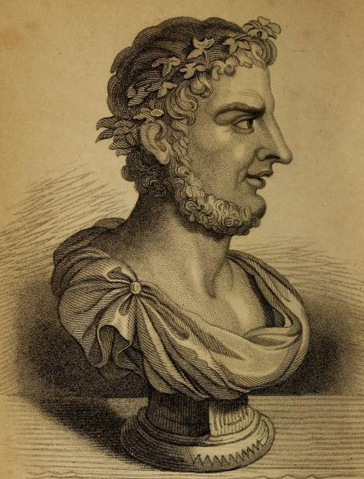
Though it is Umbricius who leaves Rome while Juvenal stays, the satire makes it clear that they are of one mind about the intolerable nature of city life. The eminent Latinist Edward Courtney thought that neither Juvenal nor Umbricius were up to making an intelligent criticism of urban life, however:
The fact that Juvenal must be assumed to be entirely in sympathy with Umbricius, who to us does not seem to be a wholly faultless character, shows that he did not possess the intellect to diagnose the problem presented by urban society in his
day.[1]
This comment reflects the tone of many commentators on the third satire, who shift the emphasis of the poem away from the vivid and comic picture it presents of the ancient city to the character of the narrator who is making the criticism, the supposedly flawed and unreliable Umbricius. The author does not escape criticism: Juvenal is said to lack insight as an urban planner, while his spokesman, Umbricius, is said to have various character flaws such as an unwillingness to hunt for a job, a hatred of foreigners, and above all, a problem with anger, for which he might find a solution if he would only study Seneca’s treatise De Ira and learn the dangers of this emotion.[2]
The satirist lays the framework for Umbricius’ complaint by saying in the opening lines of the satire that he deplores the departure of his dear friend from the city.[3] But he understands Umbricius’ compulsion to get out. Umbricius’ very name of “shadow” is sometimes thought to cast a bad light on his character, as though he were “Mr. Shady” or a kind of con man (Susanna Braund, Peter Green; Martin Winkler, meanwhile, lists a number of passages in Greek and Latin literature which paint a negative image of “shadows” and “darkness”.[4]
On the other hand, that word can refer to a dead man or shade, so that the name Umbricius may suggest that his restricted life in the city leaves him as only a “shadow” of the man he would be if he lived life to its fullest. The satirist claims he would prefer a barren wasteland to living in the city, where collapsing houses and fires make for a dangerous existence. He (the satirist himself) then adds a wrenching footnote that reminds us of the mischievous nature of his genre, by saying that “poets reciting in the month of August” are one of the greatest dangers of the city (3.9). In satire, I argue, the joke is always the main point even if it undercuts the social criticism which is supposedly being levelled. The satirist himself is, of course, a poet.
One of the reasons for confusion about Umbricius is that he is an elusive character. Catherine Keane captures this when she writes:
Umbricius accepts both of satire’s traditional ruses: namely, that the satirist is a serious moralist aiming to persuade, and that he is scurrilous and disingenuous, aiming only to shock and entertain.[5]
I suggest that to emphasise Umbricius’ shortcomings misreads the tone of the poem. Umbricius’ list of misadventures – petty, and almost slapstick – is the real center of attention. The reader is more likely to enjoy Umbricius as a victim of the injustices and inconveniences of Rome (noise, traffic, fires, collapsing buildings, crooked officials, an unfair system), as he joins the ranks of comic victims in satire and beyond.
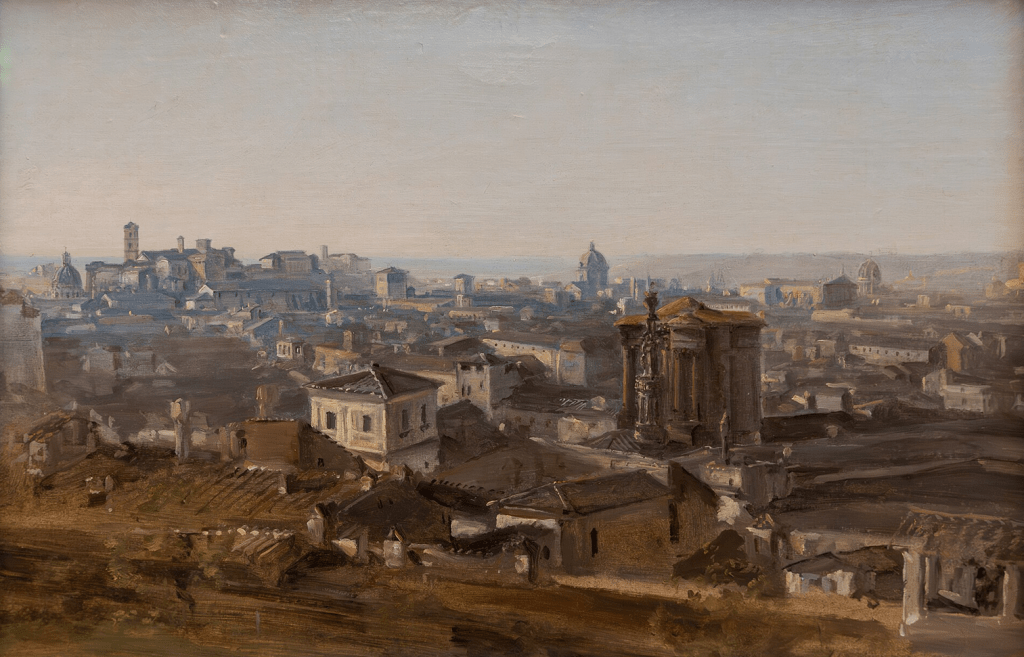
As mentioned at the outset, Umbricius has been living in the city for some time but has come to find it unlivable: he plans to migrate south to the Greek colony of Cumae, while his friend Juvenal, though he agrees with his friend’s negative view of the city, remains in Rome, in the noisy, crowded streets.
One major emphasis in the satire is that Umbricius and Juvenal both dislike a Rome which has been taken over by foreign elements and has thus become cosmopolitan. The area around the shrine of Egeria, from which Umbricius takes off, has (he says) been taken over by Jewish mendicants. The fact that the Jewish, non-Roman element in the city has occupied a neighborhood is offensive to him, and all the more so because the prosperity of the city has been compromised and called into doubt by the ubiquity of beggars.
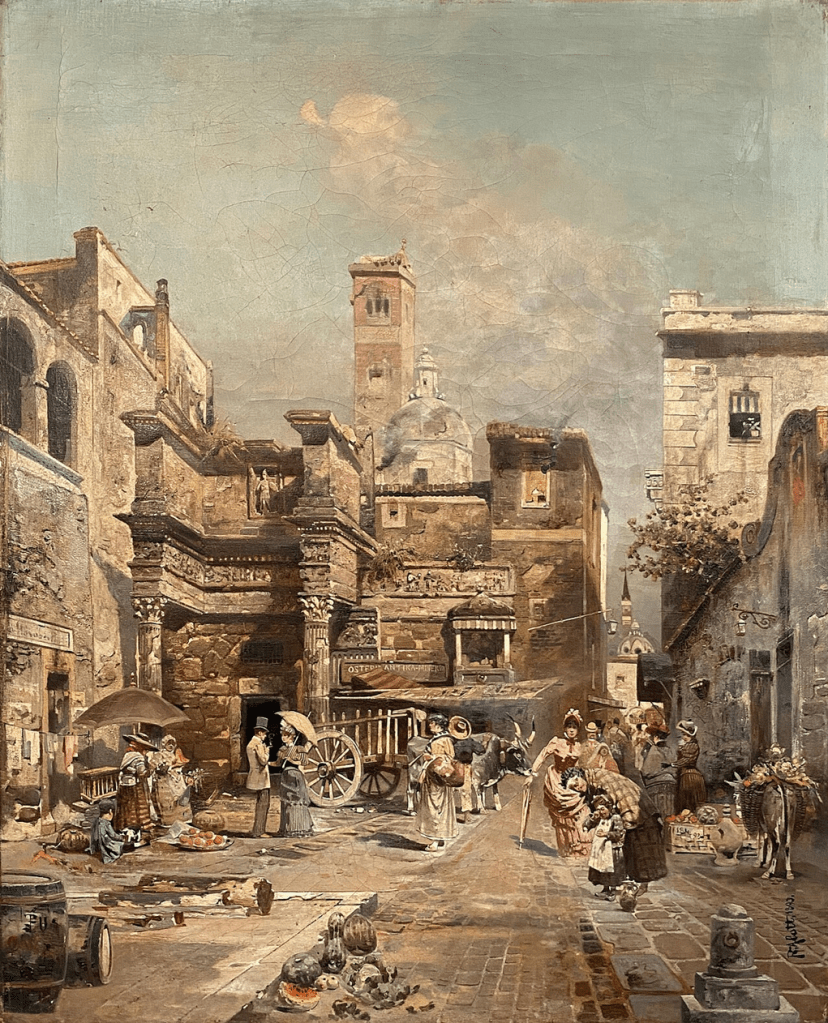
Second, and much more serious, is the apparent fact that Rome has been turned into a Graeca urbs (Greek city) by the presence of Greeks – and not the best Greeks, but the underclass.
With great fanfare Umbricius announces:
quae nunc divitibus gens acceptissima nostris,
et quos praecipue fugiam, properabo fateri,
nec pudor obstabit. non possum ferre, Quirites,
Graecam urbem; quamvis quota portio faecis Achaei?
Now let me turn to the race which goes down so sweetly
With the millionaires, but remains my special pet aversion,
And not mince my words. I cannot, citizens, stomach
A Greek Rome. Yet what fraction of these dregs is truly Greek? (58–61)[6]
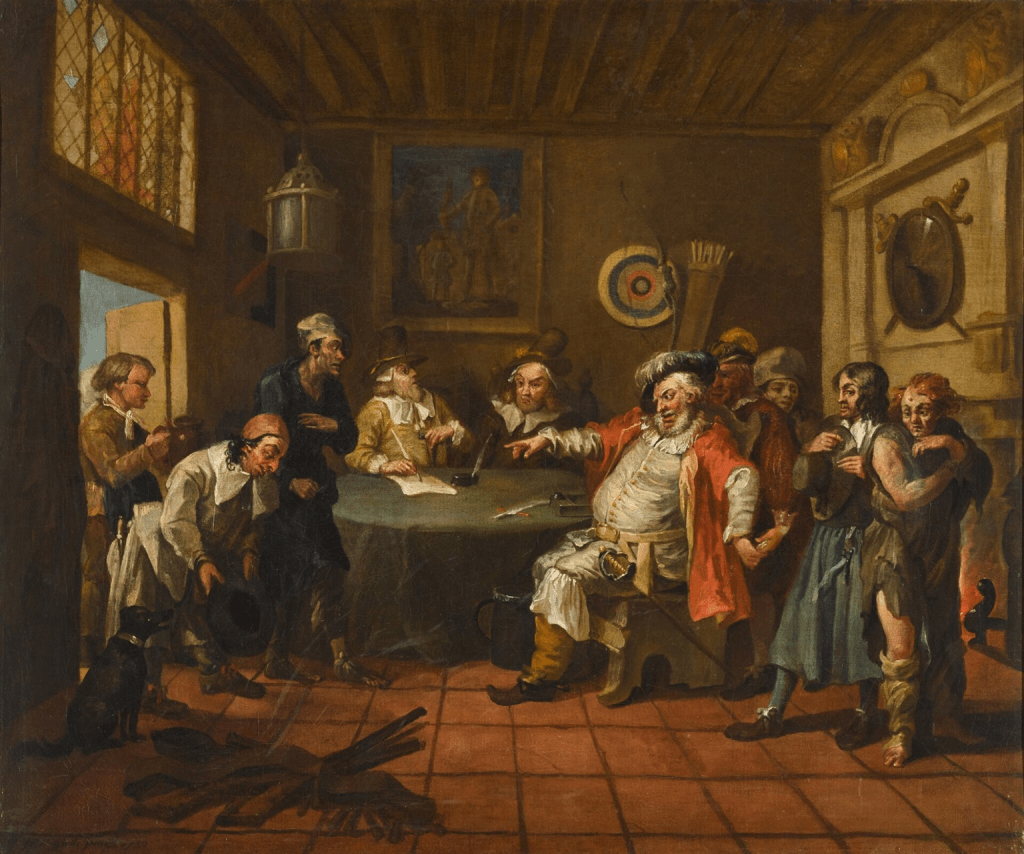
The rich find Greeks most acceptable, to the exclusion of native Romans, and these are not “blue-blood” Greeks from the mainland, where the Classical giants came from, but lower-class weirdos from the European and Asian diaspora, with many clever talents.
iam pridem Syrus in Tiberim defluxit Orontes
et linguam et mores et cum tibicine chordas
obliquas nec non gentilia tympana secum
vexit et ad circum iussas prostare puellas.
For years now eastern Orontes has discharged into the Tiber
Its lingo and manners, its flutes, its outlandish harps
With their transverse strings, its native tambourines,
And the whores pimped out around the racecourse.
They enter good old Rome playing flutes,
and dancing, introducing prostitutes everywhere. (3.62–5)
The picture of togaed Romans staring at a freak show of foreign dancers is very amusing. The Graeculus esuriens will play any role, even fly up into the air to win your favor (78).
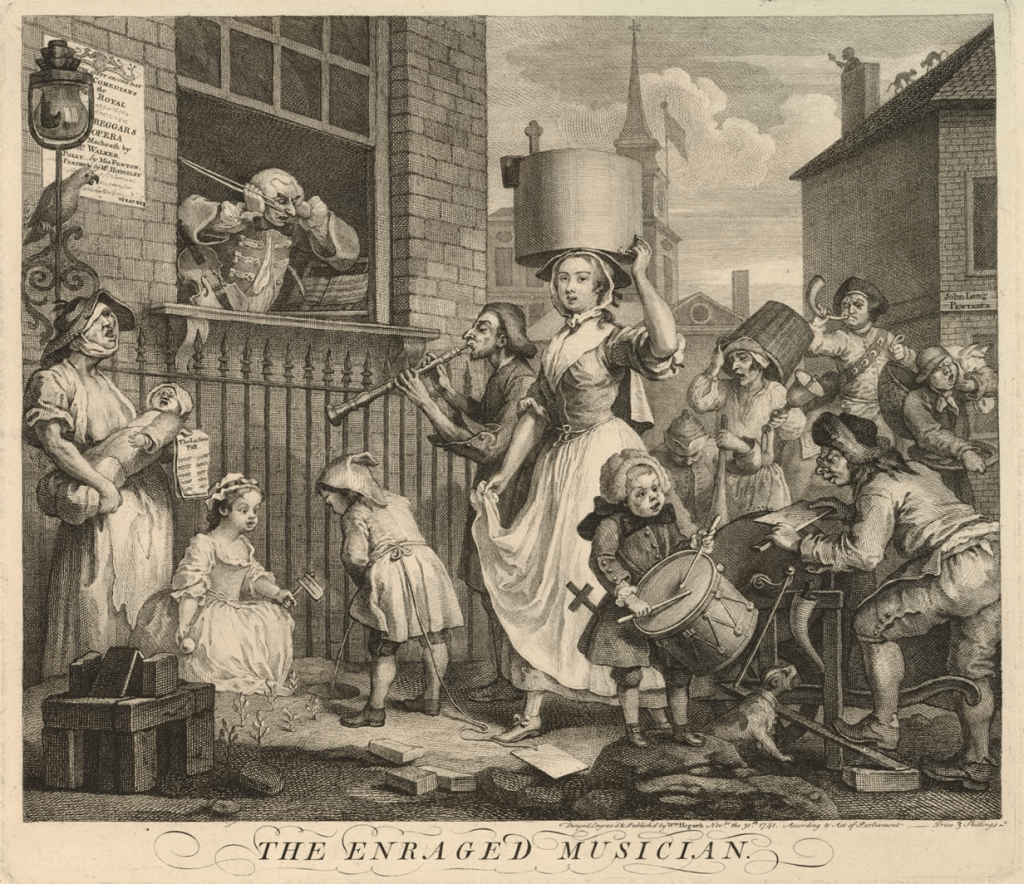
These offensive Greeks are cunning conmen, like the Socrates of Aristophanes’ Clouds. They pretend to possess skills they don’t have, and steal jobs from respectable old Romans like Umbricius. The fact that these Greek conmen have no high moral standards but will compromise themselves and cut corners to make money is the reason (at least in the logic of satire) why they take all the jobs – because they are willing to carry out errands regardless of their legality, and because they are willing to lower safety standards in their bids to offer cheaper construction contracts for housing. This leads to unsafe residential buildings that are prone to fire and collapse. Safety inspectors are willing to pronounce already-collapsing buildings perfectly safe because they are in the pay of crooked contractors.
Yet why limit the complaint to Greeks, Umbricius thinks. The malign foreign element he perceives extends to the whole Greek world, indeed to Asia Minor is well. Foreigners are everywhere, and that explains why they compete for so many professions. For instance, they might not have any legal credentials, but they can fake their way into any job.
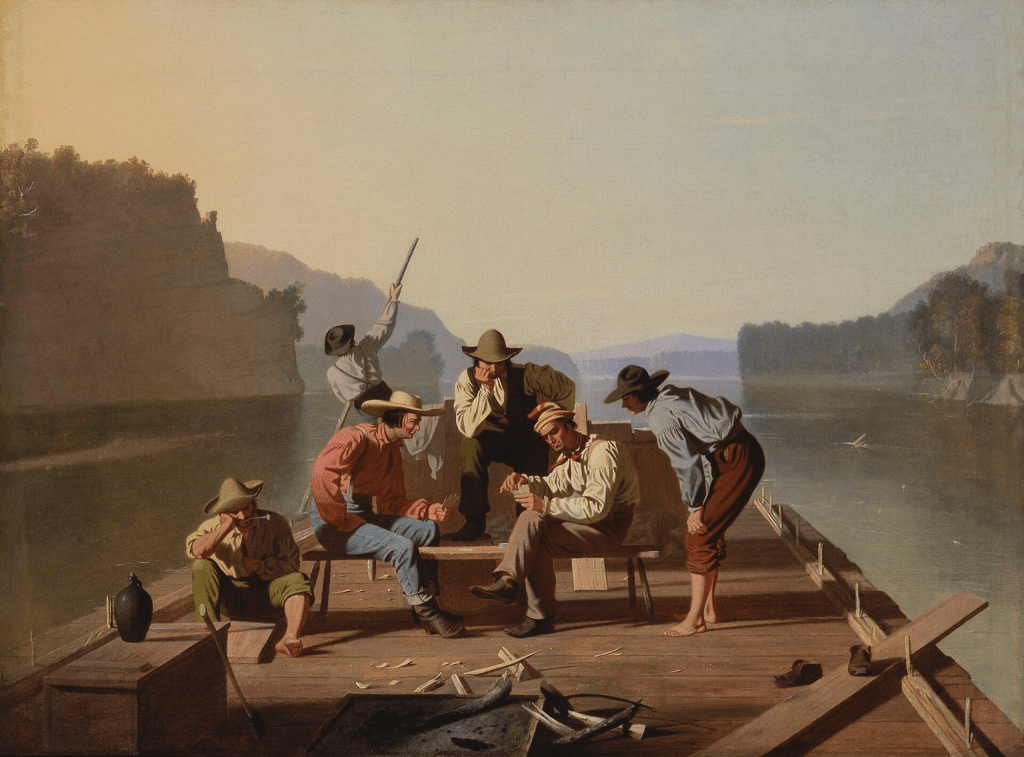
Umbricius’ sarcasm reaches a peak when he attacks foreign actors taking on women’s parts on stage. He already suspects the foreigners of effeminacy, which makes them perfectly suited for taking on the parts of women; indeed, with hyperbole Umbricius claims that if you strip them naked you will find they have only female parts. It is Juvenal the comic satirist, not the genuine moralist, who raises his head here, and the outrageousness of Umbricius’ complaints has driven many critics to denounce him as a racist or “redneck” (Winkler’s expression).
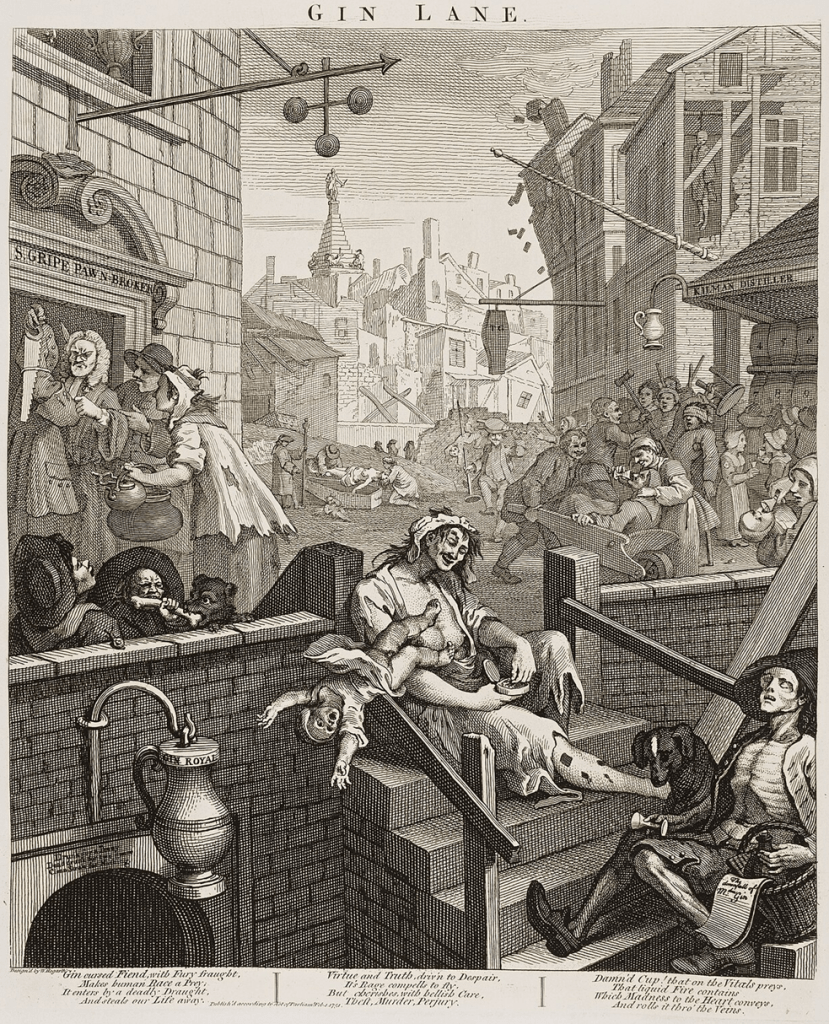
In order to appreciate the poem, you have to accept the premise (or presumption) that the native Romans are themselves sincere, honest and upright, and that they will be accepted for the laudable good men that they are without having to resort to deceit. There appears, however, no longer to be any room for such men in the city:
“quando artibus” inquit “honestis
nullus in urbe locus, nulla emolumenta laborum…
quid Romae faciam? mentiri nescio.”
“There’s no room in this city” he said
“For the decent professions; their emoluments are nil…
What can I do in Rome? I’m a hopeless liar.” (3.41–3)
Umbricius here presents himself as too honest a man to be able to make a living in Rome; all the good jobs go to those who are willing to become toadies to wealthy patrons and get ahead by flattering them and carrying out their every wish. Commentators seize on Umbricius’ complaint that he cannot get a job (because of his honesty) to tag him as a whiner who cannot easily be satisfied: “a jealous failure whose anger and departure are inspired by his inability to compete and succeed in the big city” (Braund [as n.3] 233).
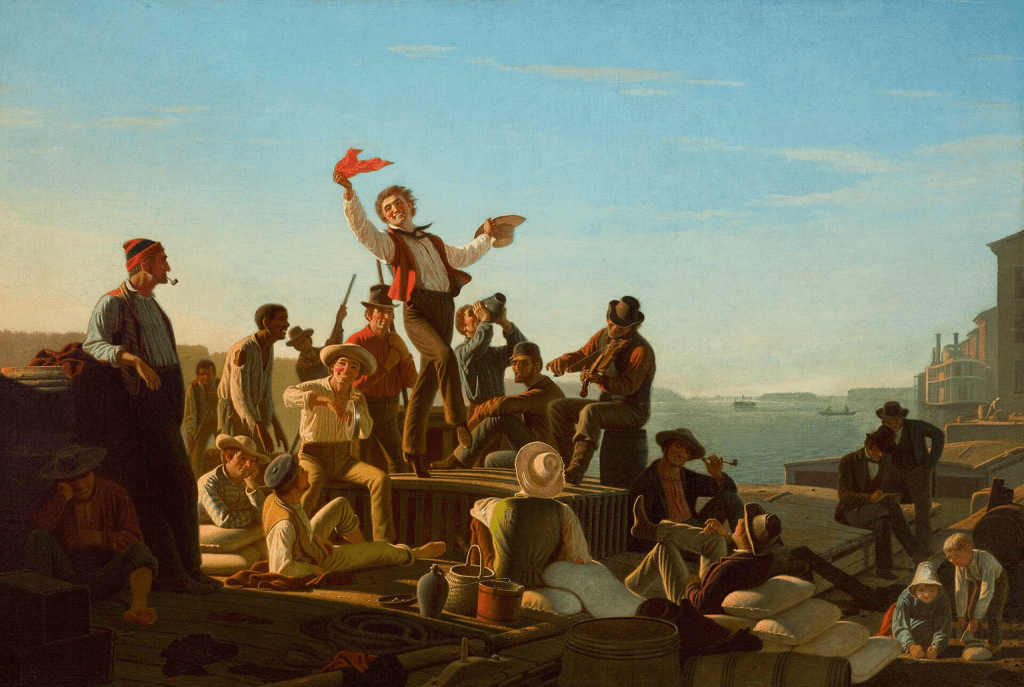
What I take from the poem, however, is not so much shock at the prejudice of old-fashioned Umbricius as a funny picture of an old-fashioned Roman trying to adjust to new ways. I prefer, then, not to “blame the victim” for his refusal to try to adjust to an unpleasant situation. Instead, I enjoy the show of Umbricius’ failure to appreciate all aspects of big-city life. His failure to adjust to the new, foreigner-riddled, corrupt, crime-ridden city has a Charlie Chaplin-esque tone to it: supposedly good, upright Romans are subject to various indignities, and their traditional virtues, rather than helping them, only serve to exacerbate their plight. The emphasis is constantly on personal humiliations they suffer. A partial list of these is as follows:
- Umbricius, though coming from a distinguished Roman family, is given low priority at dinner parties or in the witnessing of wills, and is made to take second place to upstart nobodies in Roman society; (81–4)
- Umbricius is shoved aside by foreigners, who get all the pretty girls; (133–6)
- He is shoved out of front-row seats at the games; (153–5)
- He has to go into debt to afford up-to-date clothing in Rome; (180–2)
- He has to live in housing subject to building collapses and fires, (195)
- and must settle for cheap housing where he is kept awake by traffic outside, and where pedestrian deaths from wagons are common (232–5).
- assaults and robberies on the street are equally common, as when a ruffian taunts and insults Umbricius (278–301).

All of these scenes feature physical humor in which the virtuous speaker is subject to one indignation after another. The humor is like that of a traditional Roman ‘mime’, where the wronged husband is subject to comic humiliations (an example of such knockabout comedy is Apuleius’ story “The Lover and the Tub”, Met. 9.5–7).
There is something here of the tone used by Horace’s persona in his own first book of Satires, presenting himself as an outsider to Maecenas’ social circle and struggling to win acceptance, while making ridiculous mistakes in the process. As, for instance, in Sat. 1.5, where Horace suffers countless mishaps on a trip to Brundisium, which was intended as a diplomatic mission for Octavian. Horace focuses entirely on the comical absurdity of the problems that crop up along the way:
- On the first day in Forum Appi, Horace cannot eat because of diarrhea from bad water; (1.5.7–8)
- he boards a barge where the boatman gets drunk; by the next morning, the barge has not advanced an inch; (20–1)
- at Anxur, Horace has sore eyes and has to rub salve on them; (30–1)
- at Capua, he and Vergil cannot play ball because of his persisting stomach ailment and sore eyes; (48–9)
- at Caudium ,the travelers witness an insult contest between buffoons who compare each other to horned animals, and mimic charging at each other; one of them performs the comic dance of the Cyclopaean shepherd; all of the spectators laugh heartily; (52–70)
- at Beneventum, the host nearly burns down the inn by his carelessness in the kitchen; (71–6)
- Horace has a wet dream after a prostitute fails to show up for her promised date with him; (82–5)
- the travellers are exhausted by their journey on bad roads; local girls try to persuade them to believe a ludicrous local story about incense. (96–103). Credat Iudaeus Apella.
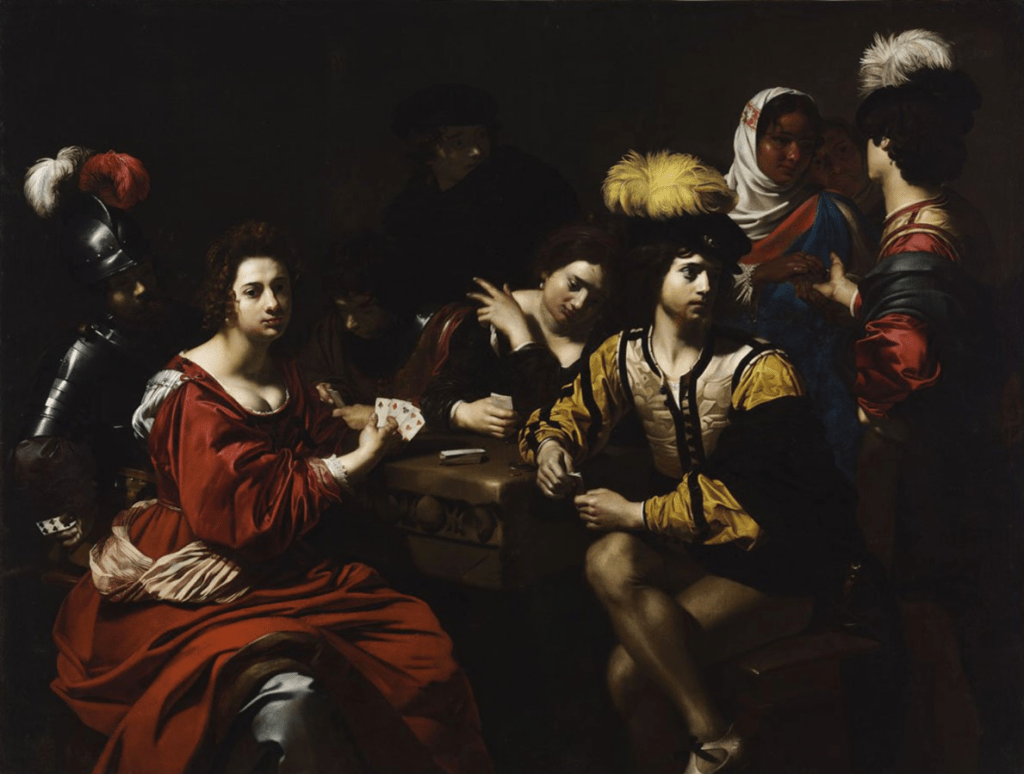
The slapstick journey between Rome and Brundisium has some things in common with Umbricius’ account of life in Rome. For example, Horace’s sexual humiliation, where he cannot get the girl he has made a date with, recalls Umbricius trying to pick up the prettiest prostitutes in the city but being thwarted by others. Umbricius being accosted by a ruffian in the street, who insults him, is paralleled by Horace’s two buffoons insulting each other. Umbricius disliking the dancing of Greeks in the street is akin to the reaction of spectators to the awkward dance of the Cyclops by the buffoon. And the innkeeper who starts a fire and endangers the lives of his guests is echoed by the tenant fires and collapsing buildings which threaten renters in Juvenal.
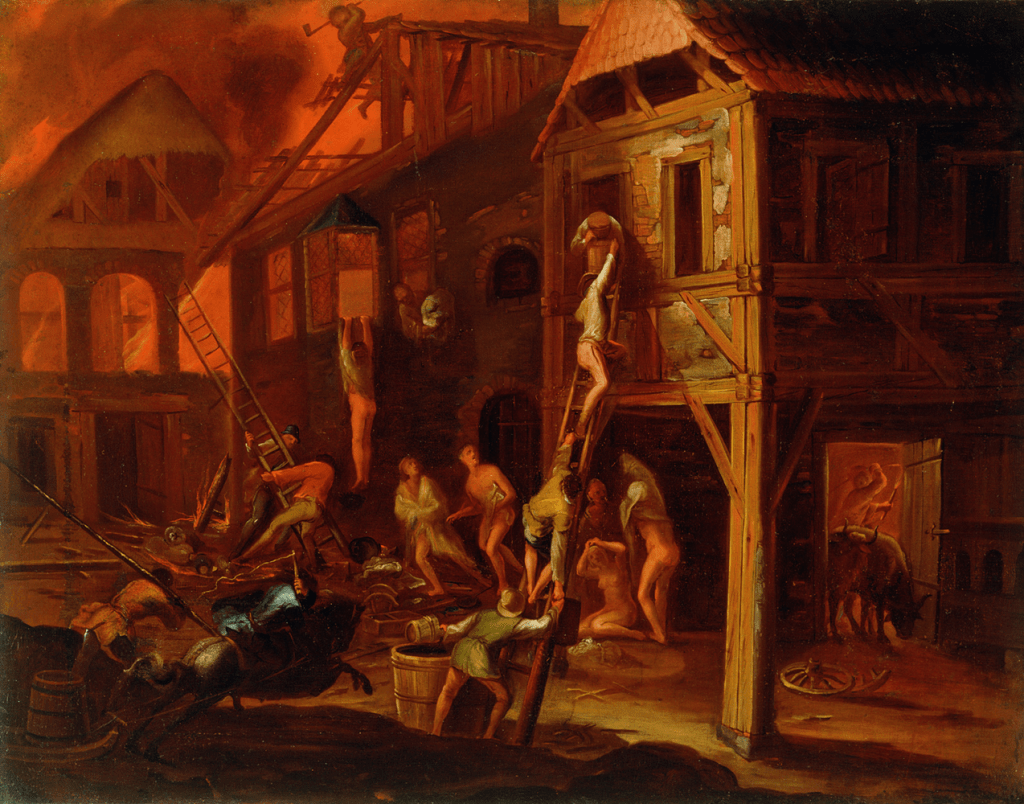
So the humiliations of Horace parallel those of Umbricius in Juvenal 3, though missing in Horace are the particular urban problems which form the body of Juvenal’s satire. Umbricius’ dilemmas in Rome do seem more comparable to those of classic film comedies Harold Lloyd’s Safety Last (1923) or Chaplin’s early oeuvre (1915–17).
To these might be added the struggles of Jacques Tati in the great French movie Mon Oncle, which includes a scene where an electric eye malfunctions, trapping the homeowner and his wife in the garage (as in Juvenal the supposedly comforting house turning into a threat).

Juvenal’s third satire, then, highlights the inconveniences and discomforts of living in the big city. The brilliance of the poem is dimmed if we insist on stressing the inconsistencies and hypocrisy of his narrator. Umbricius is best thought of as a kind of everyman, faults and inconsistencies included, who provokes our laughter as he struggles to get along in a bewildering urban environment.

Warren S. Smith is Professor Emeritus of Classics at the University of New Mexico and has also taught at seminaries in the Philippines and Kenya. His most recent book is Religion and Apuleius’ Golden Ass: The Sacred Ass (Routledge, London, 2014).

Notes
| ⇧1 | Edward Courtney, A Commentary on the Satires of Juvenal (Athlone, London, 1980) 125. |
|---|---|
| ⇧2 | See W.S. Anderson Essays on Roman Satire (Princeton UP, 1982) 293ff., “Anger in Juvenal and Seneca”, and Peter Green, Juvenal: The Sixteen Satires (Penguin, Harmondsworth, 1967) 134–5. |
| ⇧3 | Cf. Daniel M. Hooley, Roman Satire (Blackwell, London, 2007) 118: “We have to think about this character Umbricius, shadow-man, shade of old Rome, or shady-man, partisan and bigoted, ‘the manifestation of the petty greed and jealousy that haunts the city of Rome’” (citing Susanna Morton Braund, Juvenal Satires Book I [Cambridge UP, 1996]). Braund presents a view of him as “a jealous failure whose anger and departure are inspired by his inability to compete and succeed in the big city” (233); see further M. Winkler, The Persona in Three Satires of Juvenal (Georg Olms, Hildesheim, 1983). The views of Winkler and Brand on the persona in this satire have exerted a widespread influence for a generation. |
| ⇧4 | Winkler (1983) 232 n.21. |
| ⇧5 | C. Keane, Juvenal and the Satiric Emotions (Oxford UP, 2015) 62. |
| ⇧6 | Translations of Juvenal are taken from Peter Green. |