Solveig Lucia Gold
“We hold these truths to be self-evident, that all men are created equal, that they are endowed by their Creator with certain unalienable Rights, that among these are Life, Liberty and the pursuit of Happiness.”
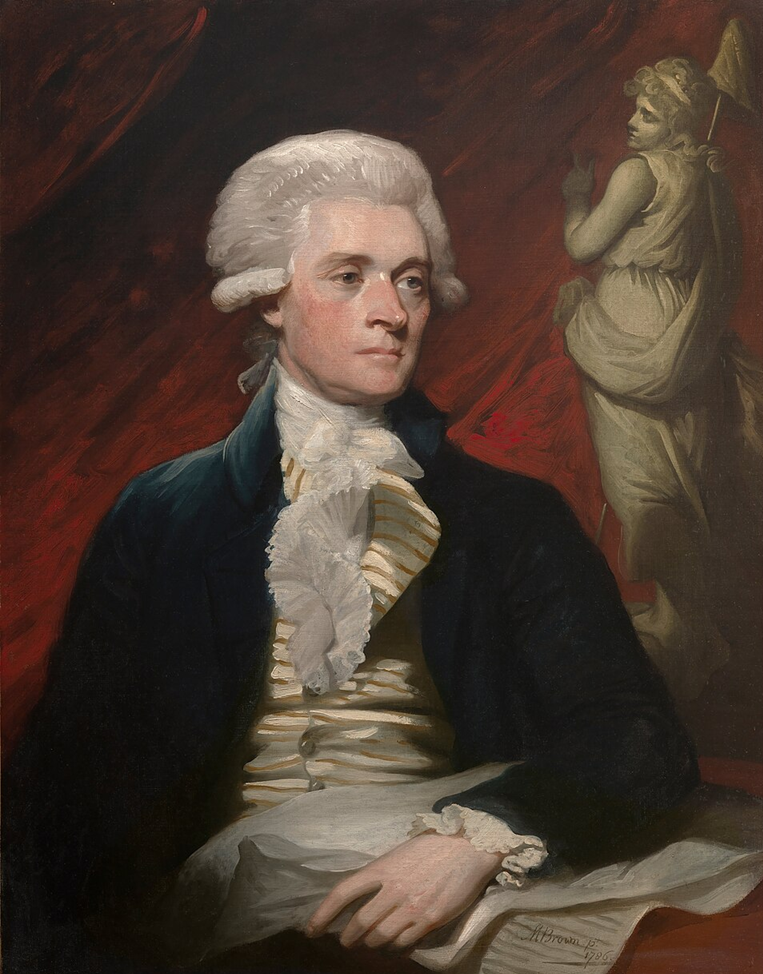
Americans are so accustomed to the second sentence of the Declaration of Independence that we forget how radical it is – the idea that all men are created equal, and that they are therefore all entitled to a say in their government. What Thomas Jefferson 250 years ago called “self-evident” was, to most people in most political regimes throughout history, anything but. (It may be hard to believe that it was even self-evident to Jefferson, who was, after all, a slave holder.)
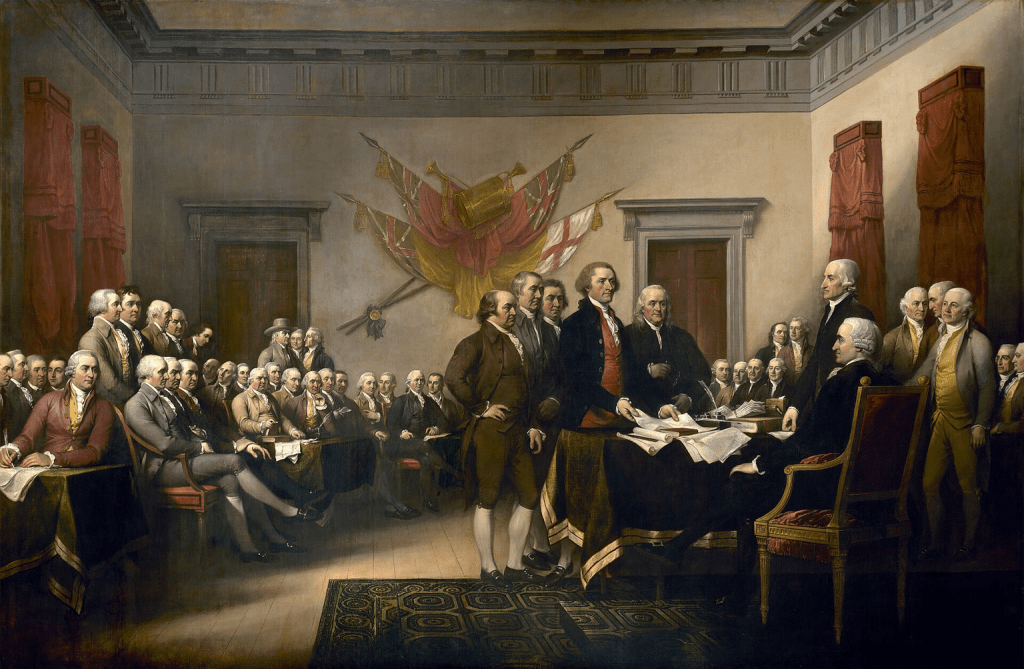
There was, however, another state founded on the principle of equality some 2,500 years ago, in Athens, the so-called birthplace of democracy. The Athenians believed that all free men – that is, free, not enslaved, men, not women – were equal. And thus all adult free male Athenians were allowed and expected to participate in the Ekklesia, or assembly, where they voted directly on legislation, declared war, and elected officials.
But that doesn’t sound much like America. Americans don’t get a direct vote on anything that happens in our national government. Everything we do, from electing a president to approving a budget, is filtered through our representatives. We don’t have a democracy. We have a republic.
Why is that? How can the founders have believed that all men are created equal, and yet not have given everyone – or at least all free men – a direct vote? How can it be that two peoples – the Athenians and the Americans – who, against all historical odds, established governments founded on the radical principle of equality, nevertheless established governments that look so different from one another?
There are, of course, lots of reasons for this. But here I want to talk about a big one: Socrates, whose death at the hands of democratic Athens in 399 BC was one of the most important events in the history of political thought – and all thought, really.

A quick primer on Socrates, for those less acquainted with Greek philosophy. During his lifetime in Classical Athens, Socrates spent his days arguing with Athenians about virtue. He recognized that while we all like to think of ourselves as virtuous, no one knows what virtue actually is. So he went around asking Athens’ best and brightest to define virtue, as well as sub-virtues like piety, courage, moderation, and justice. He’d then ask them questions about their proposed definitions. But not a single Athenian was able to give Socrates a definition that could hold up under scrutiny – under the kind of Socratic questioning that has come to be known as the ‘Socratic Method’. In this way, Socrates gained some devoted disciples, like the philosopher Plato, who recorded these interactions in his earliest writings: the Socratic dialogues. But Socrates also humiliated some very prominent Athenians and made a number of enemies.
These enemies eventually brought him to trial on two charges: Socrates, they alleged, had corrupted the youth of Athens and had committed an impiety by introducing new gods. Plato describes the events of the trial in the Apology, where Socrates brilliantly defends himself against the charges but is nonetheless found guilty. When faced with two options – give up philosophy for good or be put to death – Socrates chooses death.

Now, while Socrates maintained his innocence until the end, he did not blame the Athenian democratic system for a miscarriage of justice. On the contrary. In the Crito, Socrates tells his friend Crito that he will not run away from prison, because if he ran away from prison he would disrupt the rule of law in Athens – and he believes that the laws of Athens are fundamentally just, even if they have been misinterpreted by the jurors who found him guilty. Refusing to do anything unjust, Socrates chooses to remain in prison, blaming the Athenian people for his fate, but not Athenian democracy.
Plato, however, seemingly did blame democracy, and as he continued to write dialogues – dialogues that are, we believe, less about the historical Socrates and more about Plato’s own philosophy – he was increasingly critical of the political system that put his beloved mentor to death. The culmination of these criticisms was his most famous dialogue, the Republic.
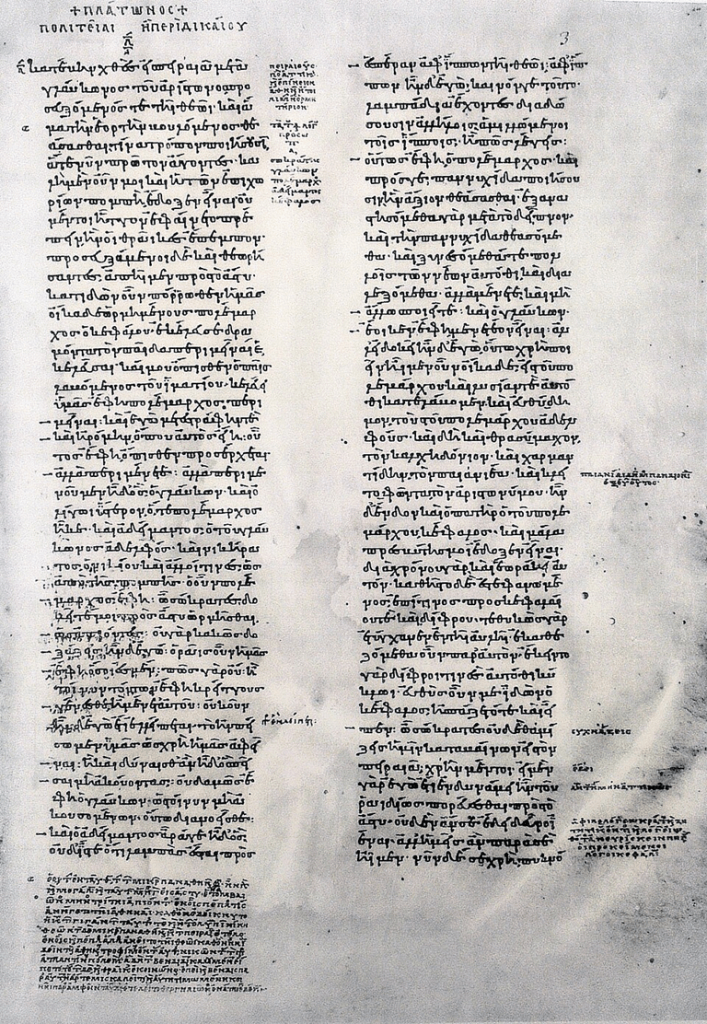
The Republic is about justice: what it is and what it looks like, both in a city (a just city) and in a person (a just person). For our purposes, let’s start with the just person. According to Plato’s Socrates, every human has a soul, and every soul has three parts: 1) the appetitive part, which desires physical pleasures, 2) the spirited part, which desires honor and praise, and 3) the rational part, which desires wisdom. In a just person, the rational part of the soul rules over the appetitive, with the help of the spirited. Here’s what Socrates says (Rep 4.441e–442b; trans. Grube, rev. Reeve):
Isn’t it appropriate for the rational part to rule, since it is really wise and exercises foresight on behalf of the whole soul, and for the spirited part to obey and it be its ally?… And these two, having been nurtured in this way, and having truly learned their own roles and been educated in them, will govern the appetitive part, which the largest part in each person’s soul and is by nature most insatiable for money. They’ll watch over it to see that it isn’t filled with the so-called pleasures of the body and that it doesn’t become so big and strong that it no longer does its own work but attempts to enslave and rule over the classes it isn’t fitted to rule, thereby overturning everyone’s whole life.

But most people aren’t just like this. In fact, very few are. In any given population, most people are ruled by their appetites, a few honor-loving military types are ruled by the spirited part of the soul, and only a tiny handful are ruled by reason.
In other words, the population of every city also has three parts, corresponding to the three parts of the soul. We’ve said that in a just person, the rational part of the soul rules over the appetitive; likewise, in a just city, the people with just, reason-driven souls rule over those who are driven by appetite.
In an unjust city, however, the appetitive people are in charge. And this, then, is the problem with democracy. Democracy is the rule of the many, and the many are driven by appetite, not reason. As a result, they do not know how best to govern themselves.
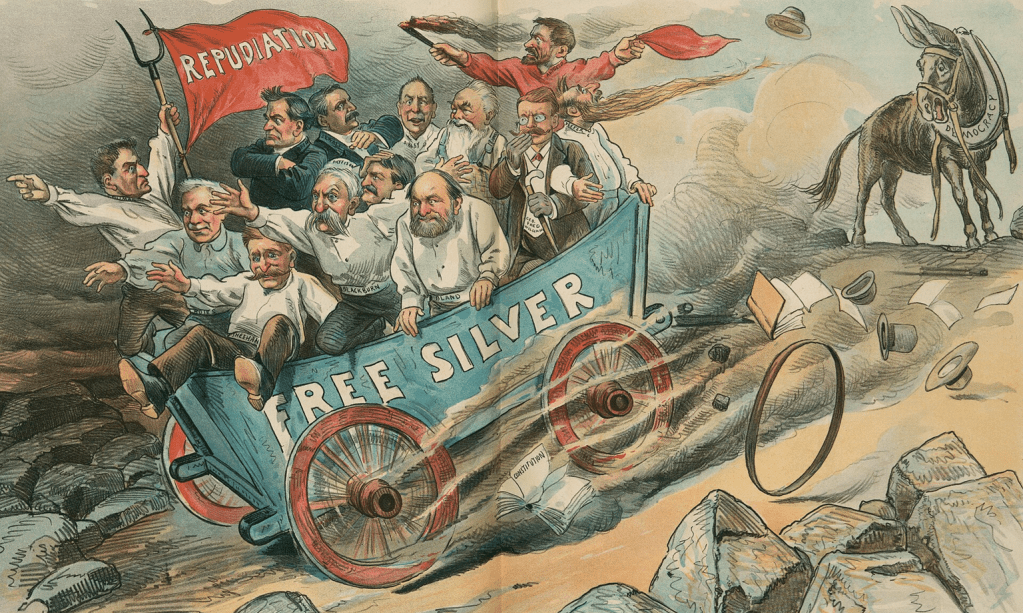
Still, Plato recognizes that most people like living under democracy – because “democracy would seem to be a pleasant constitution, which lacks rulers but not variety, and which distributes a sort of equality to both equals and unequals alike” (Rep. 8.558c).
Let’s pause on that for a second. Democracy distributes equality to both equals and unequals alike. What does Plato mean? He means that people are unequal by nature: they are born with differing levels of intelligence and ability. And democracy unnaturally ignores those natural inequalities to render everyone politically equal. That is, in a democracy, the fool gets as much of a vote as the wise man.
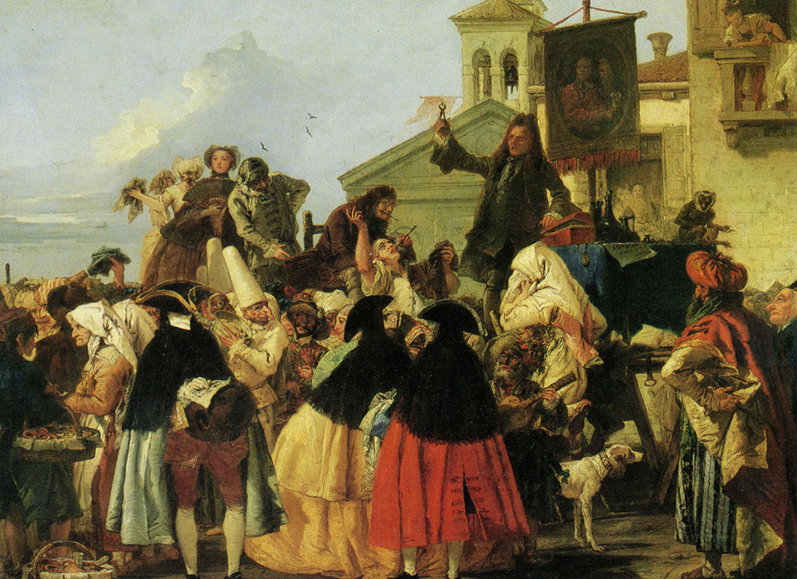
And this unnatural political equality trickles down throughout society, upending what Plato considers to be natural social and familial hierarchies. In a democracy (Rep.8.562e–563d),
a father accustoms himself to behave like a child and fear his sons, while the son behaves like a father, feeling neither shame nor fear in front of his parents, in order to be free. A resident alien or a foreign visitor is made equal to a citizen, and he is their equal… A teacher in such a community is afraid of his students and flatters them, while the students despise their teachers or tutors. And in general, the young imitate their elders and compete with them in word and deed, while the old stoop to the level of the young and are full of play and pleasantry, imitating the young for fear of appearing disagreeable and authoritarian… The utmost freedom for the majority is reached in such a city when bought slaves, both male and female, are no less free than those who bought them. And I almost forgot to mention the extent of the legal equality of men and women and of the freedom in the relations between them. What about the animals?… No one who hasn’t experienced it would believe how much freer domestic animals are in a democratic city than anywhere else. As the proverb says, dogs become like their mistresses; horses and donkeys are accustomed to roam freely and proudly along the streets, bumping into anyone who doesn’t get out of their way; and all the rest are equally full of freedom… And in the end, as you know, they take no notice of the laws, whether written or unwritten, in order to avoid having any master at all.
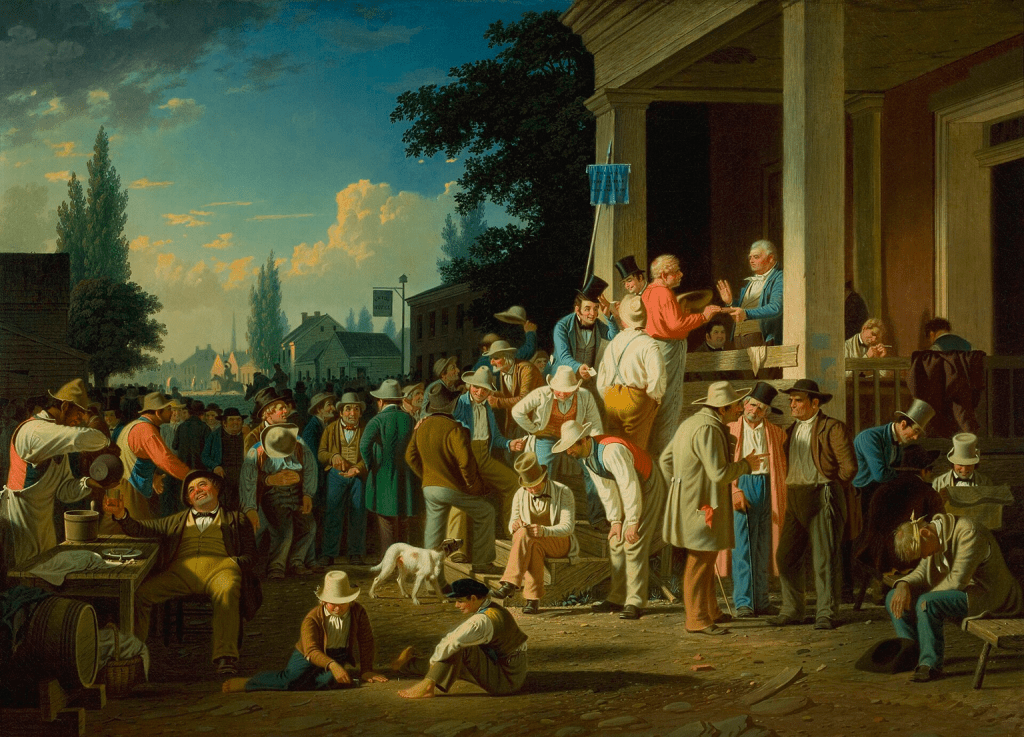
Notice that the problem Plato highlights here is not just the equality that comes about when nature’s hierarchies are inverted: it’s the hostility that those who should be inferior feel towards those who should be superior. This includes hostility towards philosophers. In one of many clear allusions to Socrates’ death in the Republic, Plato writes how the unjust many will turn against any just man who tries to orient them towards justice (Rep.4.426a–c):
They consider their worst enemy to be the person who tells them the truth… Don’t you think that cities that are badly governed behave exactly like this when they warn their citizens not to disturb the city’s whole political establishment on pain of death? The person who is honored and considered clever and wise in important matters by such badly governed cities is the one who serves them most pleasantly, indulges them, flatters them, anticipates their wishes, and is clever at fulfilling them.
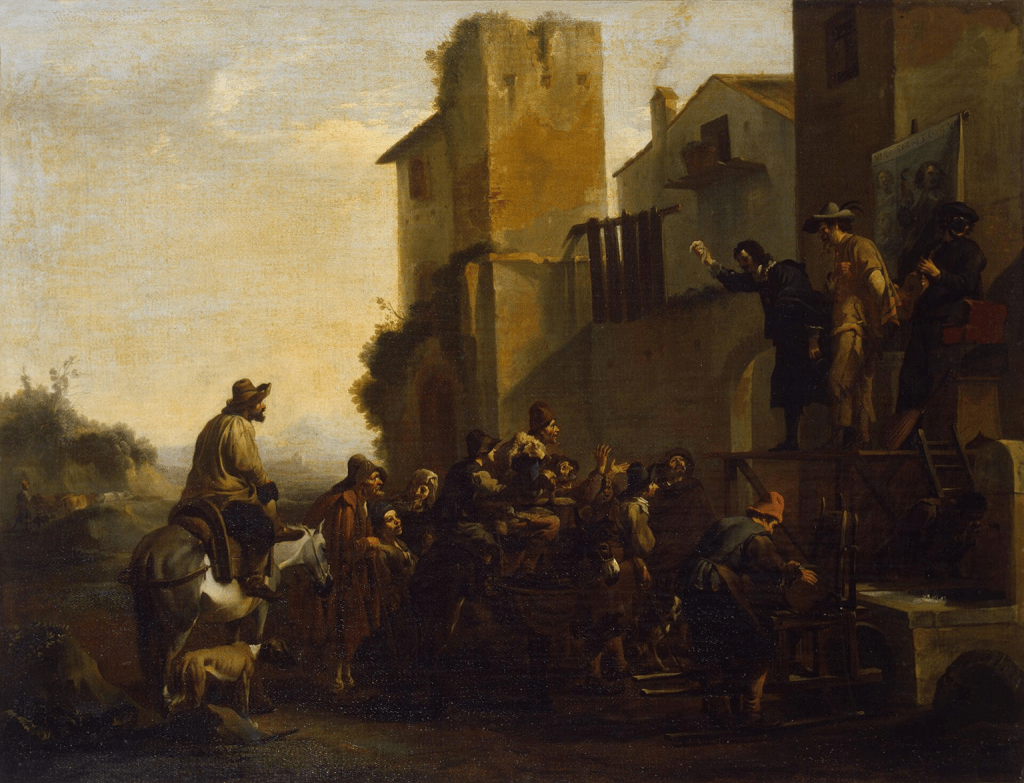
Democracies are hostile to truth-telling and truth-tellers, to philosophy and philosophers. But what if there were a perfectly just city, where a philosopher like Socrates was not reviled and put to death, but instead revered and honored as the rightful, reason-guided ruler? What if philosophers could be kings – or, for that matter, queens? Here’s what Plato says (Rep.5.473c–d):
Until philosophers rule as kings or those who are now called kings and leading men genuinely and adequately philosophize, that is, until political power and philosophy entirely coincide, while the many natures who at present pursue either one exclusively are forcibly prevented from doing so, cities will have no rest from evils, Glaucon, nor, I think, will the human race.
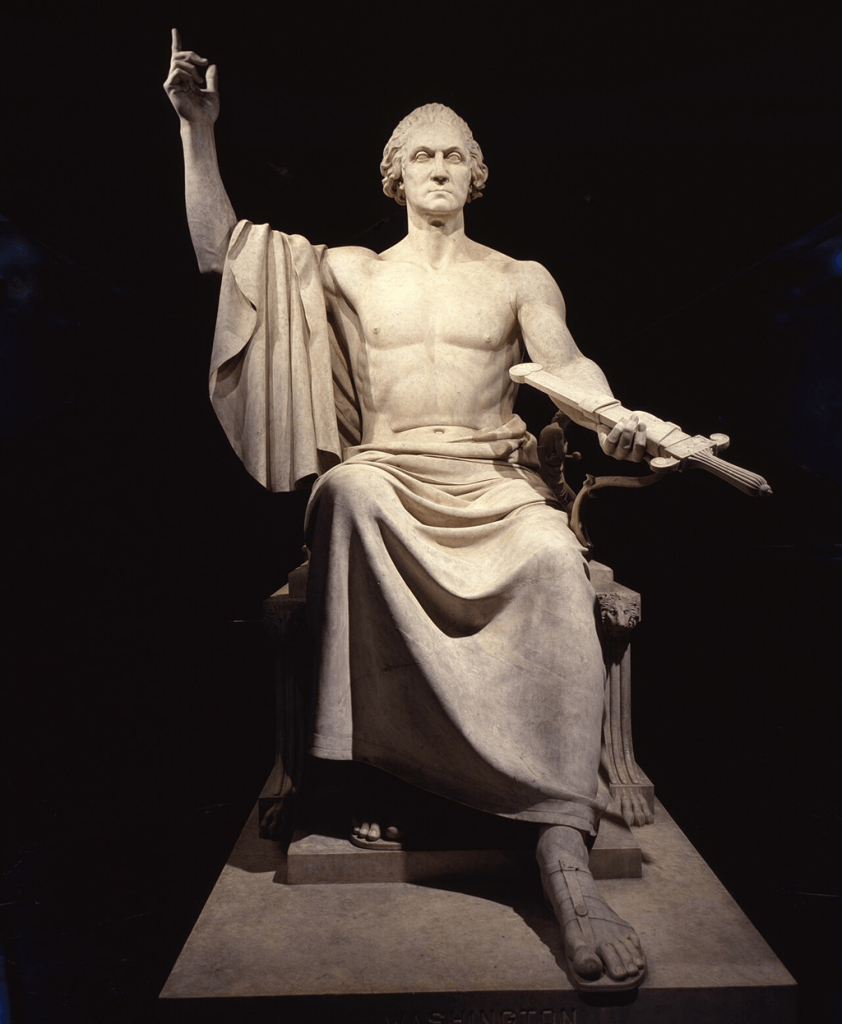
Plato imagines a city called Kallipolis, literally beautiful city, where after a lengthy education program and copious tests, every citizen is sorted into one of three classes, based on the composition of their souls. Those who are driven by appetite become farmers and craftsmen; those who are driven by honor become the guardians, the military class; and those who are driven by reason (this includes both men and, notably, women) become the rulers, the philosopher-kings and queens. This city would be harmonious and self-sufficient: the farmers and craftsmen would provide the necessary goods to sustain everyone, the guardians would protect everyone from external harm, and the philosophers would rule over everyone wisely. And this city would be just, because each of its three parts would be doing what it is naturally supposed to do.
Let’s be clear about what this means. It means that only the philosophers will have any political power in the city. Everyone else is disenfranchised, the metaphorical slaves of the philosophers. But this is what’s best for them, Plato says, because they will be governed well by the philosopher’s “divine” reason (Rep.9.590c–d):
Therefore to insure that someone like that is ruled by something similar to what rules the best person, we say that he ought to be the slave of that best person who has a divine ruler within himself. It isn’t to harm the slave that we say he must be ruled… but because it is better for everyone to be ruled by divine reason, preferably within himself and his own, otherwise imposed from without, so that as far as possible all will be alike and friends, governed by the same thing.
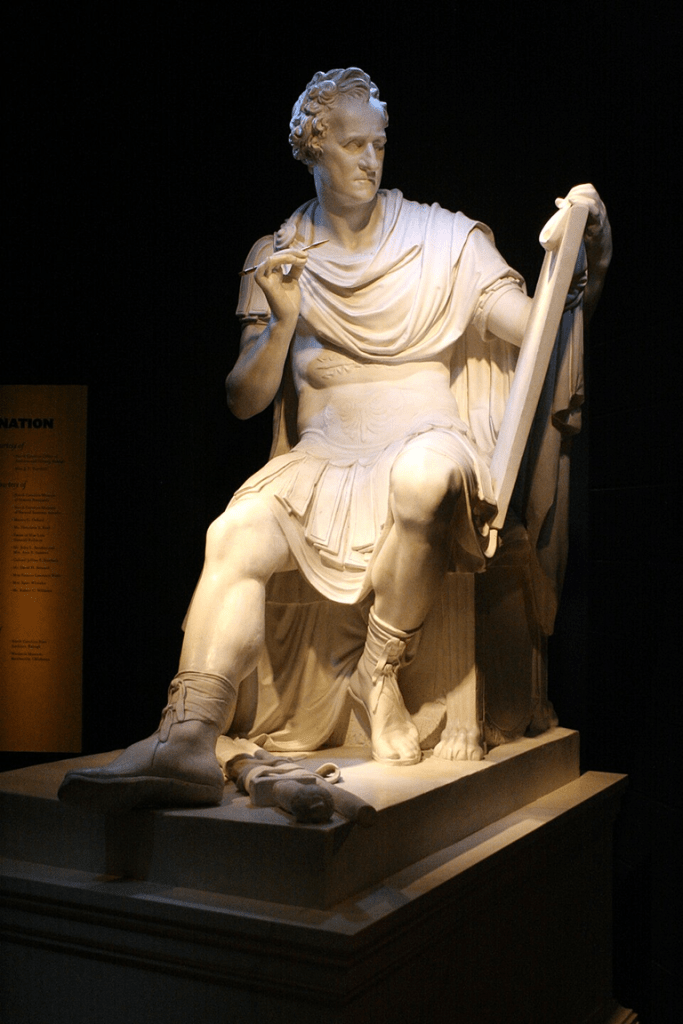
This is a fairly shocking claim. The philosopher is going to take away almost everyone’s political power and yet somehow they’re going to be friends? You may well ask: how will this work? Why would the citizens go along with it?
Well, for starters, this arrangement will only be possible in the first place because the philosopher is going to kidnap a bunch of children and start a new city from scratch! So the city’s founding citizens won’t know any better. But in subsequent generations, the system will be maintained because of what Plato calls the Noble Lie. Here is that lie (Rep. 414d–415a):
I’ll first try to persuade the rulers and the soldiers and then the rest of the city that the upbringing and the education we gave them, and the experiences that went with them, were a sort of dream, that in fact they themselves, their weapons, and the other craftsmen’s tools, were at that time really being fashioned and nurtured inside the earth, and that when the work was completed, the earth, who is their mother, delivered all of them up into the world. Therefore if anyone attacks the land in which they live, they must plan on its behalf and defend it as their mother and nurse and think of the other citizens as their earthborn brothers… “All of you in the city are brothers,” we’ll say to them in telling our story, “but the god who made you mixed some gold into those who are adequately equipped to rule, because they are most valuable. He put silver in those who are auxiliaries [guardians] and iron and bronze in the farmers and other craftsmen…”

In other words, the citizens will be made to believe that they are brothers who always act in one another’s best interest. And they will believe that the inequalities to which they are accustomed are designed by the gods. This is how things are supposed to be, they’re told, and it’s for your own good.
If this propaganda and paternalism makes you uneasy, you’re not alone. Plato has been heavily criticized for this throughout history – and especially in the last hundred years, by those who believe that the Republic inspired the totalitarian regimes of the 20th century.
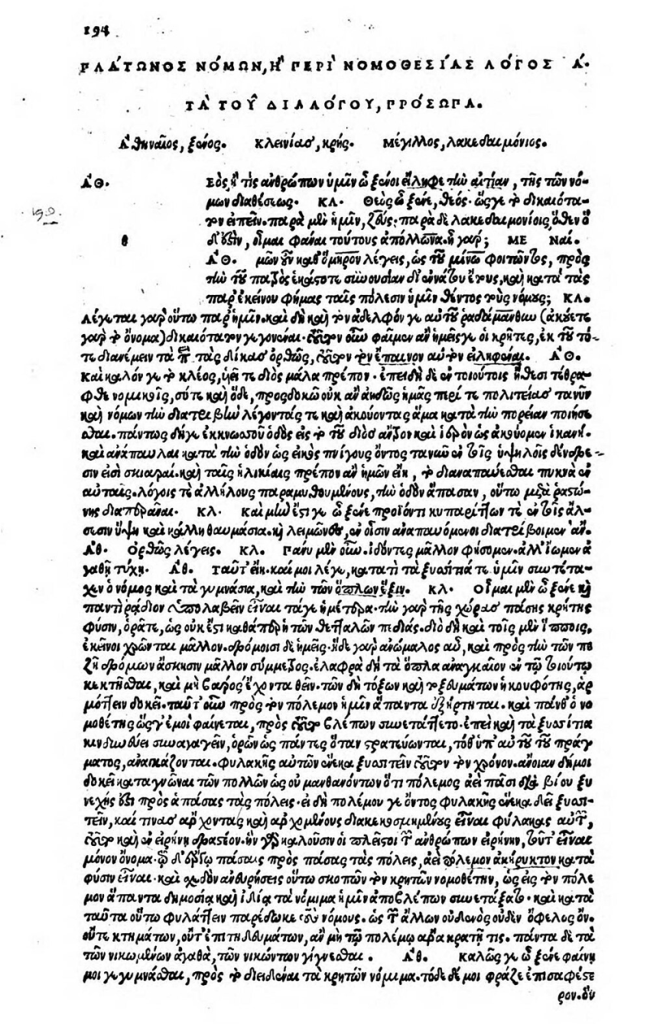
Many of these criticisms are fair. But here’s the thing: Plato himself recognized some of the problems with Kallipolis. And at the end of his life, he wrote another lengthy political dialogue, the Laws, outlining what he calls the second-best city – a city that, he claims, is more feasible than Kallipolis. It is this dialogue, not the Republic, that shaped the understanding of equality that undergirds the American constitution.
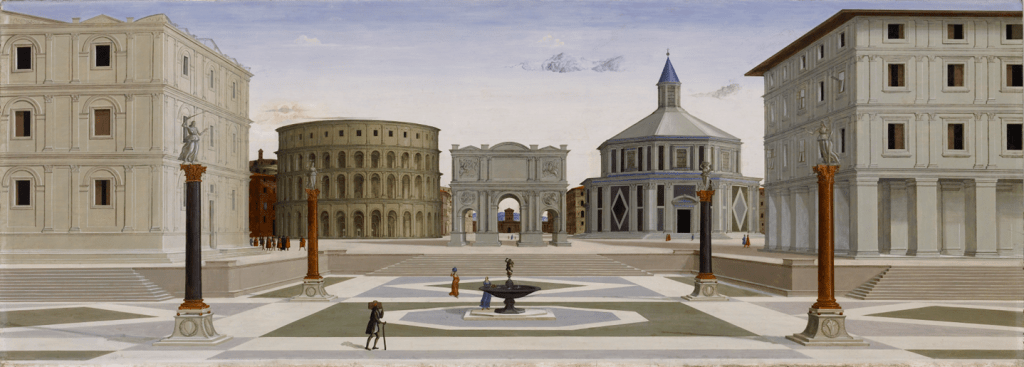
So let’s take a look at Plato’s less-well-known but, I think, better-thought-out city, a city called Magnesia. Remember that Plato in the Republic aimed for the citizens of Kallipolis to be friends. This is also true in Magnesia (Leg. 3.693b, trans. Griffith):
A city needs to be free, rational, and on friendly terms with itself. That is what the lawgiver should have in view when he makes his laws.
But here’s the big change. Plato recognizes that if there is to be friendship, then the city cannot be governed by an absolute monarch, like the ruler in Kallipolis, because “slaves and masters can never be friends.” Slaves and masters can never be friends, he says, because “equality creates friendship” (Leg. 6.756e–757a). But what does this mean? As Plato himself acknowledges, it’s hard to say (Leg. 6.757b–c):
Equality comes in two forms, which, though they both have the same name, are really, in many respects, almost diametrically opposed. The first is the equality of measurement, weights, and number, and applying it to the distribution of public honours is within the capacity of any city – or any lawgiver; they can use the drawing of lots to ensure equality. But the best and truest equality is not immediately obvious to everybody. It leaves the decision to Zeus, and its effect on mankind is always the same: it helps them but rarely, though whenever it does help either cities or individuals, it is the cause of all things good, since it allocates more to what is greater and less to what is lesser, and by giving each of them a measure related to its nature – in the case of public honours, greater honours to those whose endowment of human goodness is greater, and lesser honours to those whose endowment of goodness and education is the opposite – duly allocates to each class what is appropriate to it.
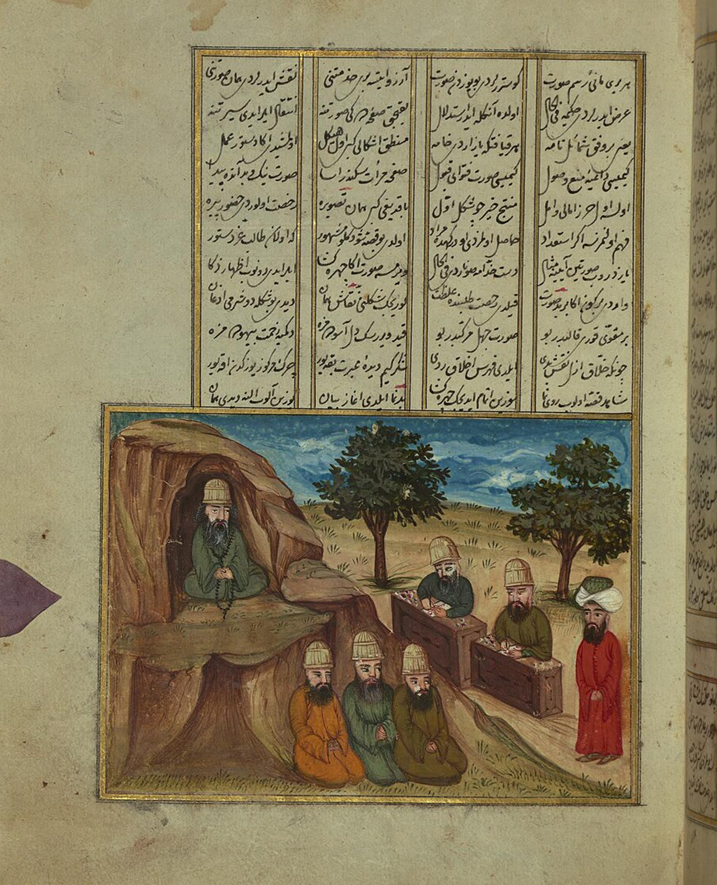
There are two types of political equality, generally referred to as democratic equality and monarchical equality, or in the words of Plato’s student Aristotle, arithmetic equality and proportionate equality. Democratic or arithmetic equality gives everyone an equal opportunity to participate in government, whether that means giving everyone a direct vote or giving everyone the opportunity to be chosen for office by lottery – what Plato refers to here as the “drawing of lots.” This was the kind of equality found in historical Athens. By contrast, monarchical or proportionate equality is the distribution of power based on who deserves it. Those who are more qualified to rule are given more power; those who are less qualified to rule are given less. This is the kind of equality Plato aimed to foster in the Republic’s Kallipolis.
And indeed, this is the kind of equality Plato would like to foster in the Laws’ Magnesia as well (Leg. 6.757c–d):
What we call statesmanship, I take it, is always just precisely this justice. It is this which should be our aim now, and this equality, Clinias, that we should keep in view as we found this city which is coming into being. For anyone else founding a city, it is this same thing he should at all times be aiming at in making his laws. Not a handful of tyrants, or a single one, or some kind of popular control, but always justice – which is, as we’ve been saying, nature’s version of equality as applied to those who, in any given situation, are not equal.
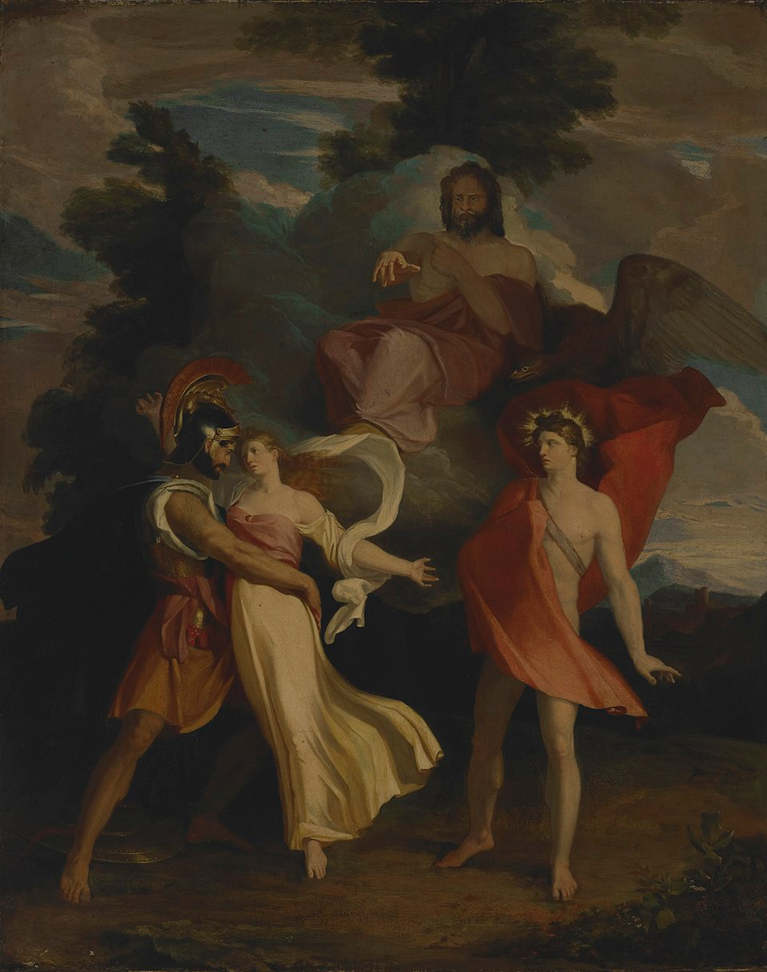
That said, Plato also now recognizes that while democratic equality fosters incompetence and bad government, monarchical equality fosters resentment (Leg. 6.757d–758a):
However, it is unavoidable that the city as a whole should sometimes also use these terms in a less precise sense, in an effort to avoid a certain degree of civil unrest, since what is easygoing and forgiving, in defiance of strict justice, is an infringement, when it occurs, of what is perfect and exact. Hence the unavoidable necessity, in order to counter the resentment of the common people, to make use also of the equality which comes from drawing lots – though even then appealing in prayer to god and good fortune, to steer the lots in the direction of strict justice. In other words, we have no choice but to use both kinds of equality, though one of them – the one depending on luck – so far as we can for the least important choices.
To maintain friendship amongst the citizens of Magnesia, Plato proposes combining the two types of equality. Certain political offices will be chosen by lot, which ensures that every citizen has an equal opportunity to be involved in government. Other offices, though, will be elected – which, Plato argued, will ensure that they are held by only the most qualified candidates. This will be an example of “the truest and best equality”.
This combination should mean that no citizen of Magnesia ever feels unequal: the average Joe should feel valued, knowing that he can be chosen by lot, but so should the most virtuous citizens, who know that their virtue will be proportionally rewarded in the elections.

And once elected, the ruler is still in some sense considered an “equal” – because he must remain at all times obedient to the laws, which contain more wisdom than any one human can ever possess. So unlike in Kallipolis, in Magnesia no one is above the law. The law is sovereign (Leg. 715c–d):
If I call those who are usually known as rulers ‘servants’ of the law, this is now purely in the interests of coining a new title, but because I think it is on this, more than anything else, that the safety, or otherwise, of the city depends. In the kind of city where law is subordinate, and lacks authority, I see disaster just around the corner. Where the law is master over the rulers, and the rulers are slaves to the law, there I see salvation, and all good things the gods can grant to cities.
If all citizens, including the rulers, are slaves to the law, then there can be a strong sense of equality among citizens – and where there is equality, there is friendship.
So the Platonic corpus takes us from one extreme to the other, before settling on some middle ground. Plato’s earliest works tell us about Socrates, who is willing to die to preserve Athenian democracy. Then Plato turns against democracy and advocates monarchy – a monarchy where only the most virtuous men and women have power. And in the end, he looks for what he describes as “a position midway between a monarchical and a democratic system of government – a central position our political system should maintain at all times” (Leg. 756e).

Plato’s criticisms of democracy stuck – as did the self-criticisms of the kind of philosophy-kingship he outlines in the Republic. They were taken up and further developed by Aristotle, Polybius, and Cicero, and they informed the thinking of statesmen throughout Europe and, eventually, across the Atlantic. When America’s Founding Fathers sat down to establish a new nation from scratch, rooted in equality (albeit an equality that included slavery), they, too, picked a “position between a monarchical and a democratic system of government”: a mixed constitution, as James Madison called it. This is seen in the system of checks and balances, in the distribution of powers across local, state, and federal levels, and in the bicameral legislature, which was explicitly designed to combine democratic equality in the House of Representatives with a more virtuous, proportionate equality in the Senate. And it’s seen, of course, in the rule of law: in America, as in Magnesia, everyone is politically equal insofar as no one is above the Constitution.
As we celebrate America’s 250th birthday, let us toast the Founding Fathers. But let us also toast Socrates and Plato, without whom America might very well not exist.

Solveig Lucia Gold is Senior Fellow in Education and Society at the American Council of Trustees and Alumni. She holds a PhD in Classics from the University of Cambridge and has published in venues such as Classical Quarterly, First Things, The Free Press, the New Criterion, and the Wall Street Journal.
