Marek Węcowski
The Forge of Nations
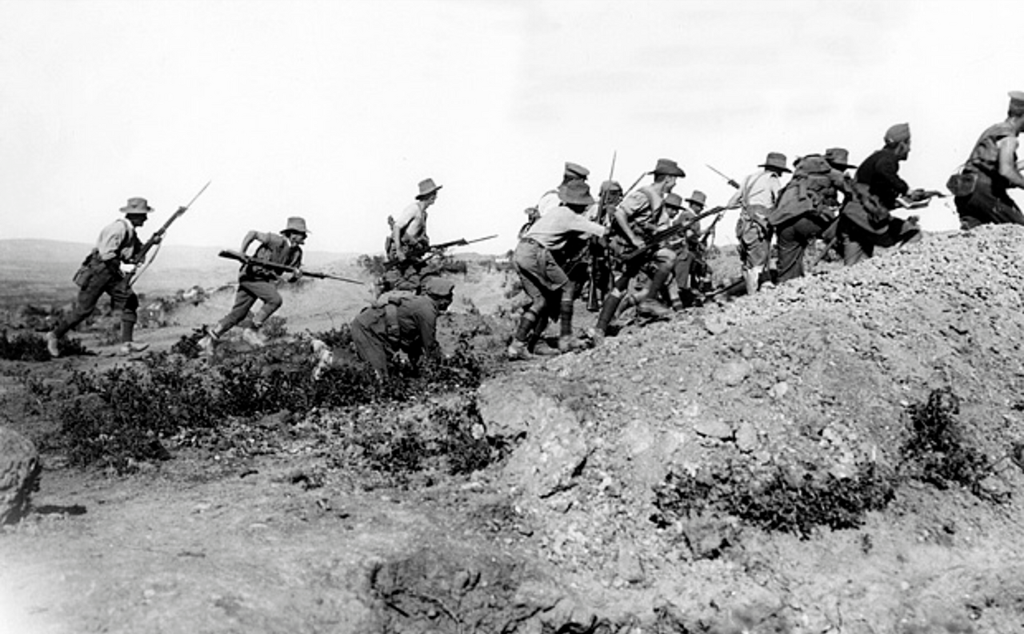
In Peter Weir’s film Gallipoli (1981), Archy Hamilton, a young sprinter, volunteer, and cowboy from a remote farm in Australia joins the army by falsifying his birth certificate. At the end, he runs out of the trenches in the third or fourth wave of a suicidal bayonet charge. Over 20,000 like him were killed by Turkish machine gun and artillery fire. They were driven to their deaths by the stubbornness of Winston Churchill, First Lord of the Admiralty, who sought both to threaten Istanbul and eliminate the Ottoman Empire from the war with a single bold manoeuvre. Churchill paid for this catastrophe with the loss of his position in Prime Minister H.H. Asquith’s cabinet; soon afterwards, Asquith’s government fell.[1] The total casualties and losses on both sides of the Gallipoli Campaign amounted to at least 400,000 soldiers.
More than one modern nationalism took shape during this campaign, which lasted from 18 February 1915 to 9 January 1916, and took place on the narrow Gallipoli Peninsula in the Dardanelles. Under the command of Mustafa Kemal, later Atatürk (‘Father of the Turks’), the foundations of modern Turkish national consciousness were forged. 25th April, the anniversary of the 1915 landing on the opposite side of the front by the Australian and New Zealand Army Corps (ANZAC), remains the most sacred national holiday in both countries’ calendars. Yet the origins of modern German nationalism date back to the Napoleonic Wars a century earlier. That is where our story begins.
The German Iliad
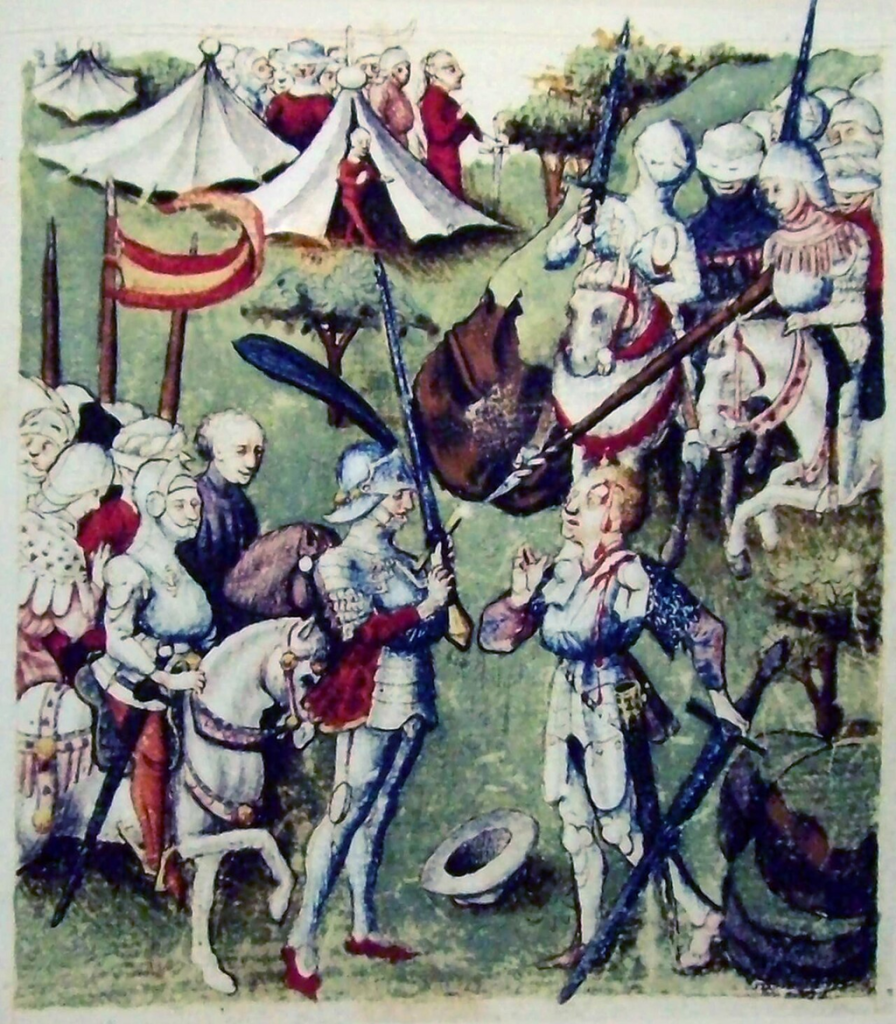
After successive humiliating defeats of Prussia and Austria at the hands of Napoleon in the early years of the 19th century, the great German Romantic August Wilhelm Schlegel (1767–1845) proclaimed the Old Germanic Song of the Nibelungs, discovered half a century earlier, to be the “German Iliad”. The Nibelungs were later made famous by Richard Wagner in his tetralogy Der Ring des Nibelungen, although the four music dramas (Das Rheingold, Die Walküre, Siegfried, and Götterdämmerung), staged in 1876 at Bayreuth Opera House, have little to do with the content of Das Nibelungenlied.
For Schlegel, the Song of the Nibelungs was ancient folk poetry giving voice to the unspoiled virtues and primitive spirit of the German nation, just as the Iliad supposedly did for the Ancient Greeks. From then on, in 19th-century German culture and scholarship, the concept of the ‘German Iliad’ had to be taken seriously. Karl Lachmann (1793–1851), one of the founders of modern Classical philology, was not only one of the greatest Homeric scholars; he was also a pioneer of the study of the Song of the Nibelungs. Yet Schlegel’s interest was not purely scholarly: he intended to use the epic as a weapon against the tyranny of the French emperor, whom the Germans of the time associated with the savage Huns of the Nibelungen. One of the Grimm brothers, Wilhelm, protested in vain against the modernisation of the Song, and treated the idea of the ‘German Iliad’ with irony: in his opinion, the Nibelungs were as foreign to most Germans as Homer himself.
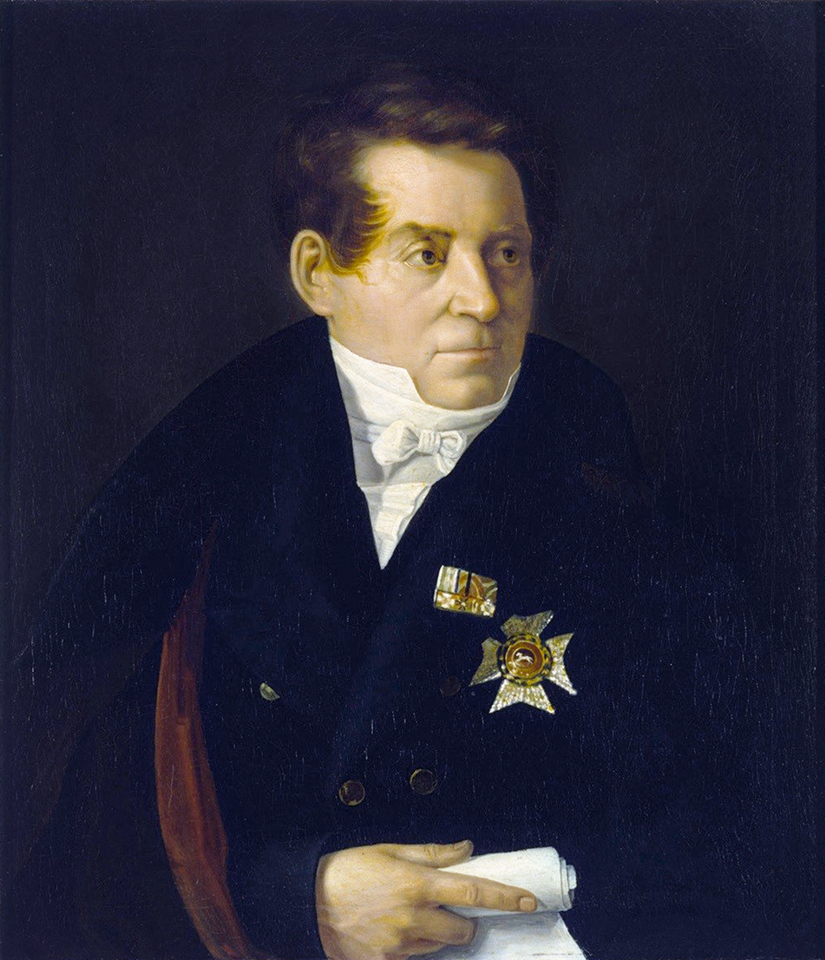
For many German intellectuals, the promotion of The Nibelungs and their eventual introduction into Prussian school reading lists were intended to evoke the ‘German heroic spirit’ from the medieval underworld. Johann August Zeune (1778–1853), a Germanist, taught geography at a pioneering school for the blind that he had himself founded. In 1813, after Napoleon’s defeat in Russia, he gathered large crowds of listeners in Berlin for his lectures on the ancient values of The Song, in which he agitated against revolutionary “French idolatry”. The following year, Zeune published a translation into modern German of the archaic epic. It was soon republished, this time in a huge print run, in a pocket-sized ‘field and camp’ format. Prussian youth were to carry the Nibelungen with them like a powerful talisman (als ein Palladium) as they marched west to join the English and defeat Napoleon at Waterloo in the summer of 1815.
Another wave of popularity for the epic followed with the Franco-Prussian War (1870–1) and continued in the years immediately afterwards. At that time, new editions of The Nibelungen were produced every year. The tragic heroes of the epic, Siegfried and his killer Hagen, entered the pantheon of national saints together, and the ‘German Iliad’ found a permanent place in the spiritual arsenal of German militarism. The line of German fortifications in France during the First World War was called the ‘Siegfried Position’ (Siegfriedstellung).[2] Faced with inevitable defeat in 1945, just a month before the capitulation of the Third Reich, the last frontline SS unit, the 38th Grenadier Division ‘Nibelungen’, was formed in an act of final desperation from the remnants of various broken units.
In his romantic fervour, Zeune planned to send his blind students from Berlin to villages and towns throughout the nation, reciting the Song of the Nibelungs to awaken German patriotism, following the example of the blind bard Homer. Meanwhile, before the First and even the Second World War, Homer’s original epics reigned supreme in German schools, despite the presence of the ‘German Iliad’. The Iliad and the Odyssey fired and developed the imaginations, aesthetic senses, literary sensitivities, and even ethics of generations of German intellectuals. During the First World War, the Germans weaponized not only German, but also the Greek Iliad.
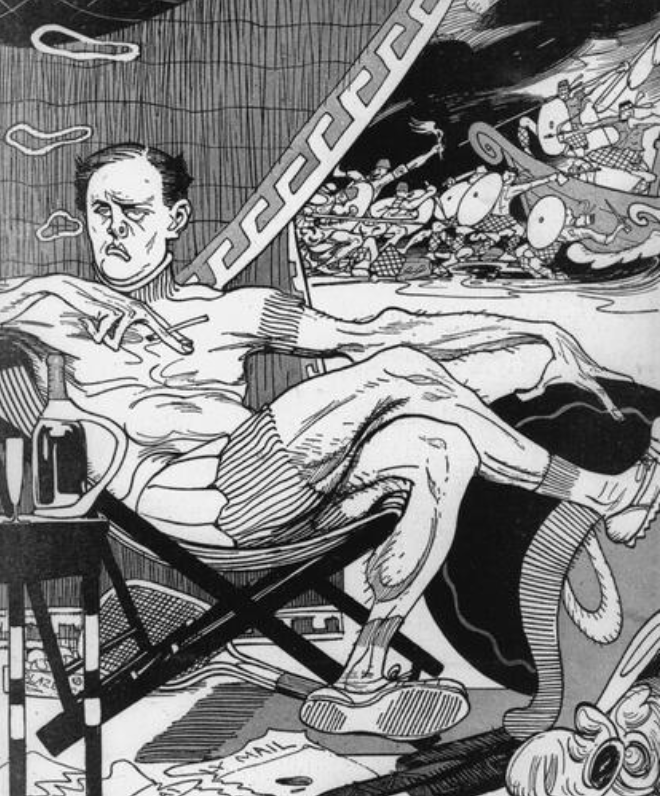
Patriotic war caricatures referring to the Iliad appeared repeatedly in the leading Berlin humour magazine Kladderadatsch. Some of them were accompanied by paraphrases of the relevant verses of the poem. In April 1915, in the first months of the Gallipoli campaign, the cover of Kladderadatsch shows the Trojans and Acheans saluting the head of the German military mission in Turkey. On a cover from early May, gods look down from Mount Olympus on the Dardanelles campaign – the result of the vile greed of John Bull, the caricatured personification of England. A little later in May 1915, John Bull, disguised as Poseidon, is already being pushed into the sea by Turkish soldiers. His trident seems powerless against, as the caption puts it, “Allah’s bayonets”. In July, a caricature rich in symbols entitled “The Battle of the Ships. From the new Iliad” was published. During a break in a tennis or cricket match, Churchilles, a jaded English aristocrat in sportswear, languishes in a tent with a cigarette in his hand and champagne, while his army (in Scottish kilts!) collapses on the Dardanelles shore under the pressure of the defenders of Troy, as in Book 12 of Homer, in the absence of Achilles, who is still at odds with Agamemnon. The Turkish Hector is now only a step away from burning the invaders’ ships.
Achilles and the Poets
Homer was also busy on the other side of the Front. The young English officer Patrick Shaw-Stewart (1888–1917), who had been a brilliant Oxford Classicist before the war, abandoned his academic career to become the youngest director in the history of Barings, one of London’s prestigious banks. During a three-day period of leave while serving on the Gallipoli Peninsula, he wrote a powerful poem entitled Achilles in the Trench (1915):
I saw a man this morning
Who did not wish to die;
I ask, and cannot answer,
if otherwise wish I.
Fair broke the day this morning
Upon the Dardanelles:
The breeze blew soft, the morn’s cheeks
Were cold as cold sea-shells.
But other shells are waiting
Across the Aegean Sea;
Shrapnel and high explosives,
Shells and hells for me.
Oh Hell of ships and cities,
Hell of men like me,
Fatal second Helen,
Why must I follow thee?
Achilles came to Troyland
And I to Chersonese;
He turned from wrath to battle,
And I from three days’ peace.
Was it so hard, Achilles,
So very hard to die?
Thou knowest, and I know not;
So much the happier am I.
I will go back this morning
From Imbros o’er the sea.
Stand in the trench, Achilles,
Flame-capped, and shout for me.
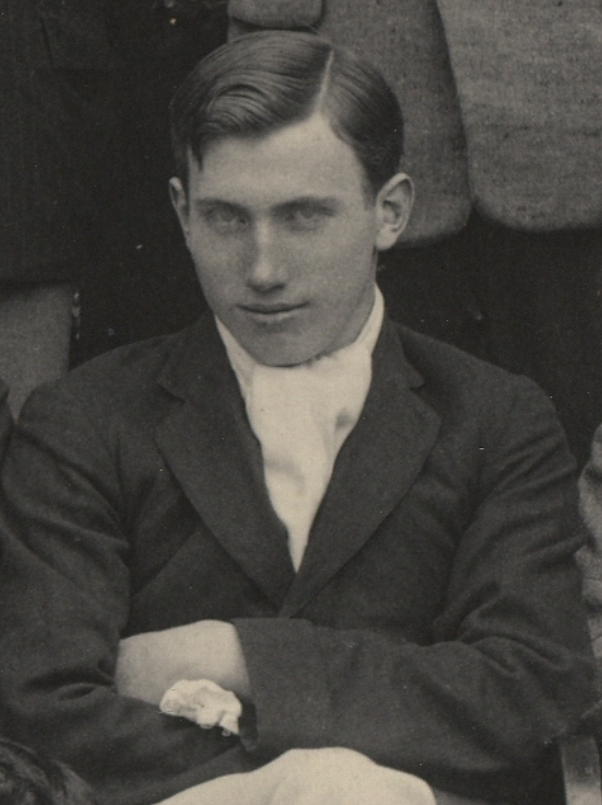
The tragedy of a young volunteer begins with the realization that there are people who do not want to die in war. The Troad, where Homer’s Achilles fought – aware from the outset that he must die young there for immortal fame – lies on the other side of the Dardanelles Strait. It can be seen from Gallipoli and from the island of Imbros (today Gökçeada in Turkey), where the young banker-poet was resting during his short leave of absence.
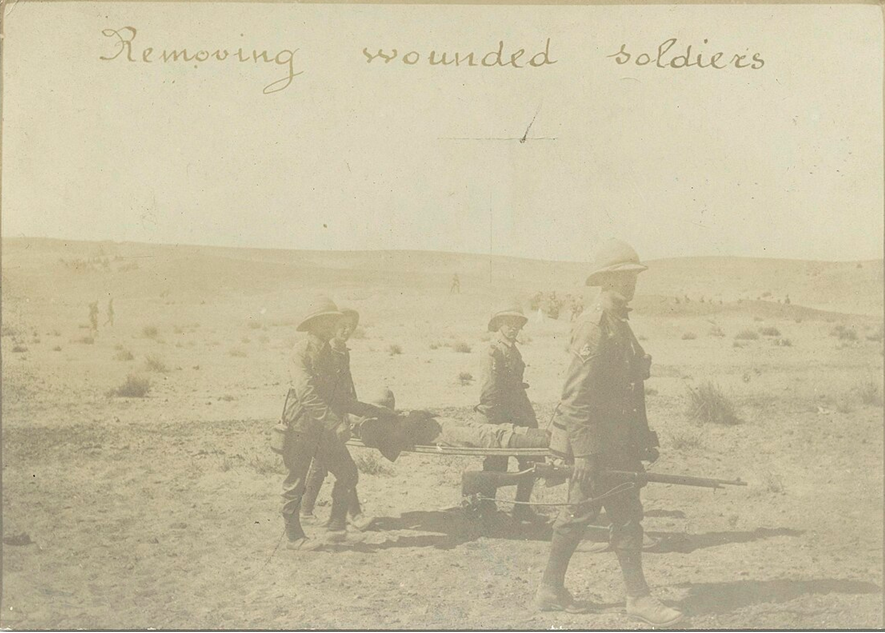
Earlier, while stationed on the island of Skyros, he presided over the military funeral ceremony of his Patroclus, his friend who died there, the war poet Rupert Brooke, whom W.H. Auden called “the most beautiful man in England”. In a posthumously published poem, Brooke saw himself as one of the many fallen Sarpedons whom Hypnos and Thanatos, the brothers Sleep and Death, would carry home from the battlefield in the Dardanelles as in the Iliad (16.681–3).
Shaw-Stewart later served in various locations in the Aegean as a Royal Navy liaison officer with French troops, receiving the highest military decorations of the Third Republic. However, he stubbornly sought a transfer to the Western Front. When he finally achieved this, he was temporarily entrusted with the duties of commander of one of the infantry battalions. Churchill, the mastermind of the Gallipoli operation, joined his regiment in France, saving his temporarily compromised career. Lieutenant Commander Shaw-Stewart died in the mud of a French trench, hit in the mouth by a piece of shrapnel on the penultimate day of 1917.
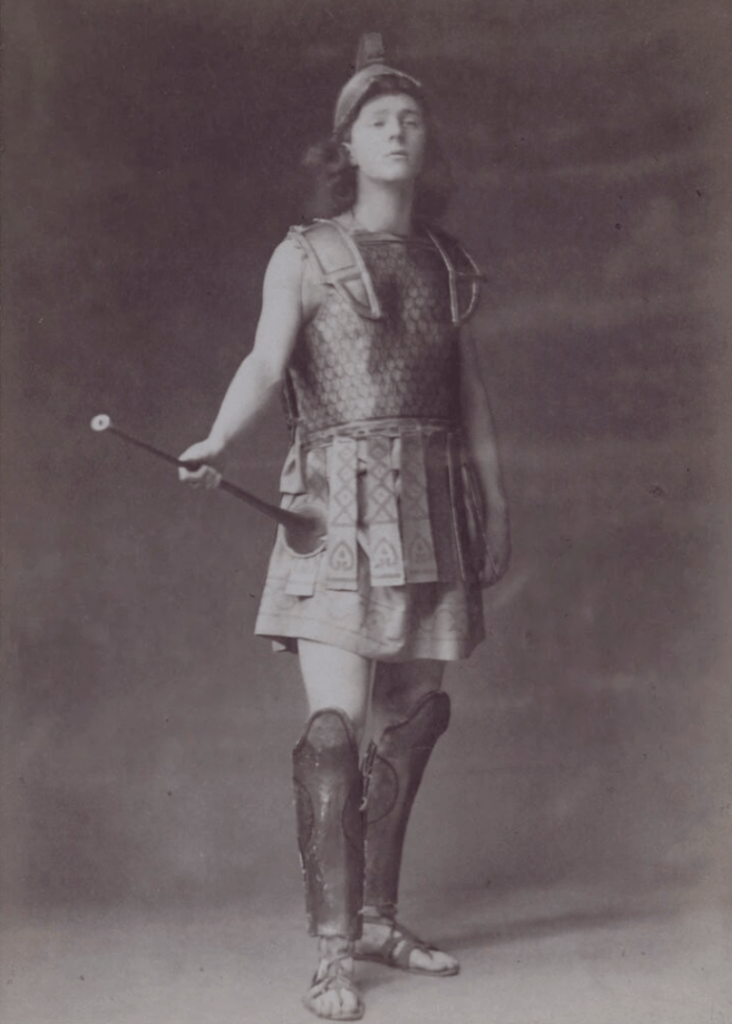
Even before the war, he was of interest to the London tabloid press as a member of the scandalous ‘Corrupt Coterie’, which consisted of fashionable intellectuals and aristocratic socialites of both sexes. The poet’s heroic death gave Shaw-Stewart new, lasting, and honourable fame. His poem quickly took on symbolic significance, and Shaw-Stewart and his Achilles, sensing their inevitable end, became representatives of an entire generation.
Meanwhile, Robert Graves, who had been one of the ‘war poets’ of the First World War in his youth, declared in a BBC radio broadcast in 1941 that “the combustion engine is not conducive to poetry”. Since the Battle of Britain during the Second World War, the figure of the brave Royal Air Force pilot has been an important part of 20th-century British imagination and culture. The wartime public was fed stories of chivalrous aviators, among whom were also promising young artists. Two poets, colleagues at the Ministry of the Air Force’s public relations office, even published an anthology entitled Air Force Poetry (John Pudney & Henry Treece edd., John Lane, London 1944), collecting poems written by pilots and RAF flying and ground personnel.[3]
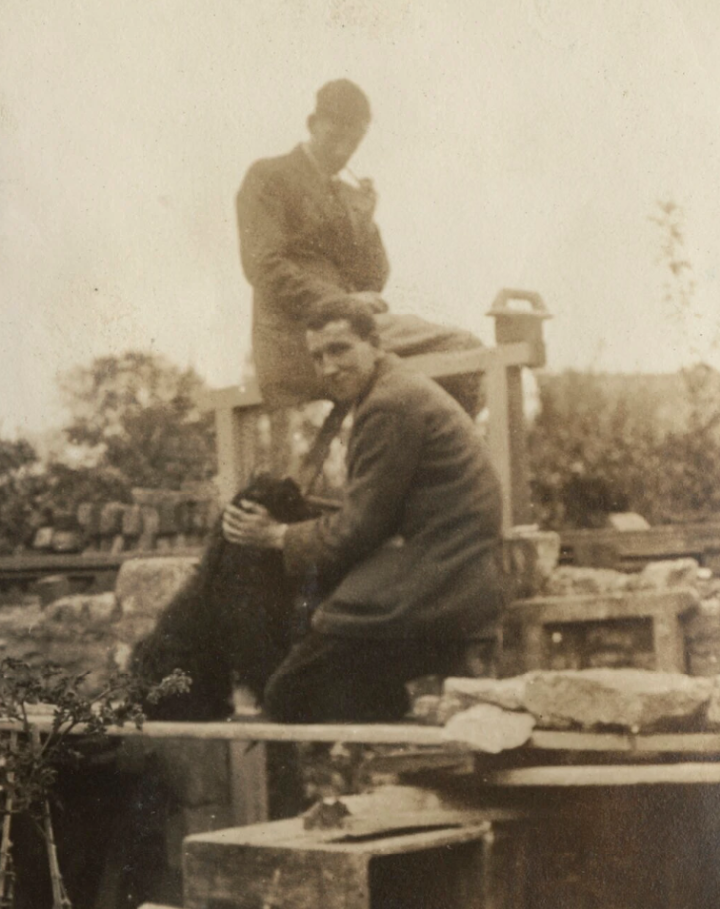
In Michael Powell’s and Emeric Pressburger’s visionary film A Matter of Life and Death (1946), these ideals extend as far as the waiting room of the Aviation Department in paradise, where Allied pilots who died in the last days of the war eagerly await admission to the ranks of angels. One of them, enamoured with the voice of the radio operator who accompanied him in his final moments before death, and left among the living by a heavenly mistake, represents the ideal of a noble, sensitive poet in the service of the RAF – a former Oxford student.
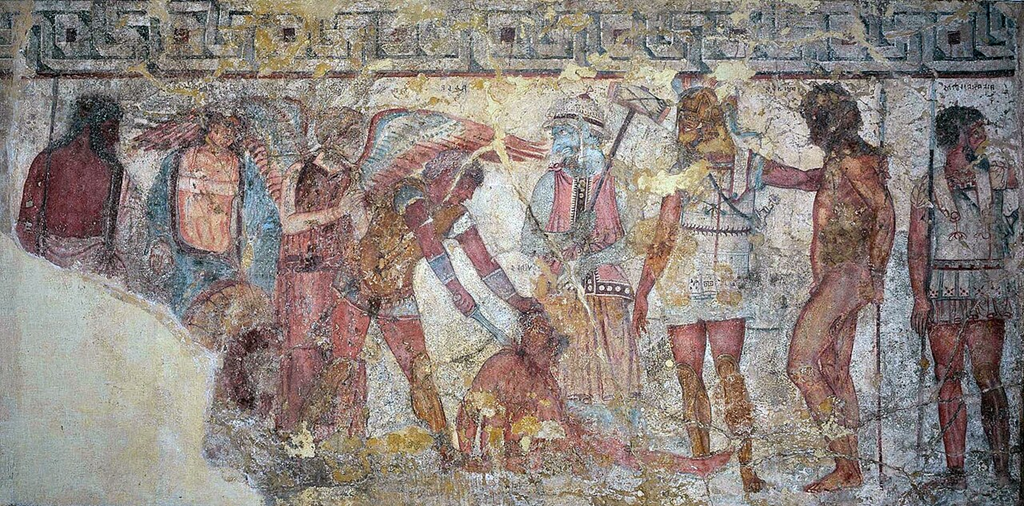
David Niven plays Squadron Leader Peter Carter, the pilot of a four-engine Avro Lancaster heavy bomber, which could carry over six tonnes of incendiary bombs. At the beginning of the film, he was most probably returning from a night-time carpet-bombing raid on a German city such as Dresden or Hamburg, which claimed the lives of thousands of civilians. At least part of the British movie-going public must have been aware of this. From here, it is only a short step to the question that most readers of the Iliad today probably ask themselves when the hero slits the throats of twelve Trojan prisoners on the pyre of his fallen friend Patroclus (Il. 23.175–82): could the youthful Achilles, who sings poetry while playing a beautiful lyre in his spare time at Troy (Il. 9.186–9), also be a war criminal?
Homer in America
Half a century after the Gallipoli campaign, Achilles returned to the muddy trenches, this time in Indochina. Jonathan Shay, a Boston-based clinical psychiatrist working with American Vietnam War veterans suffering from PTSD, is the author of the acclaimed book Achilles in Vietnam.[4] In his next book, Odysseus in America,[5] he followed up his Iliadic researches with a project inspired by The Odyssey.
In this way, Shay attempted to describe and treat what American cinema audiences had previously been shown in films such as Michael Cimino’s The Deer Hunter (1978), Francis Ford Coppola’s Apocalypse Now (1979), Oliver Stone’s Platoon (1986), and Stanley Kubrick’s Full Metal Jacket (1987) – not to mention Robert Zemeckis’ Forrest Gump (1994), which approaches this subject in an overtly therapeutic form. Using the Iliad and the Odyssey, Shay was not merely confronting his patients’ experiences. He was touching on something more deeply rooted – one of the foundations of contemporary American mass culture: a trauma that is not only individual, but almost national, and continues to influence America’s attitude towards overseas wars.

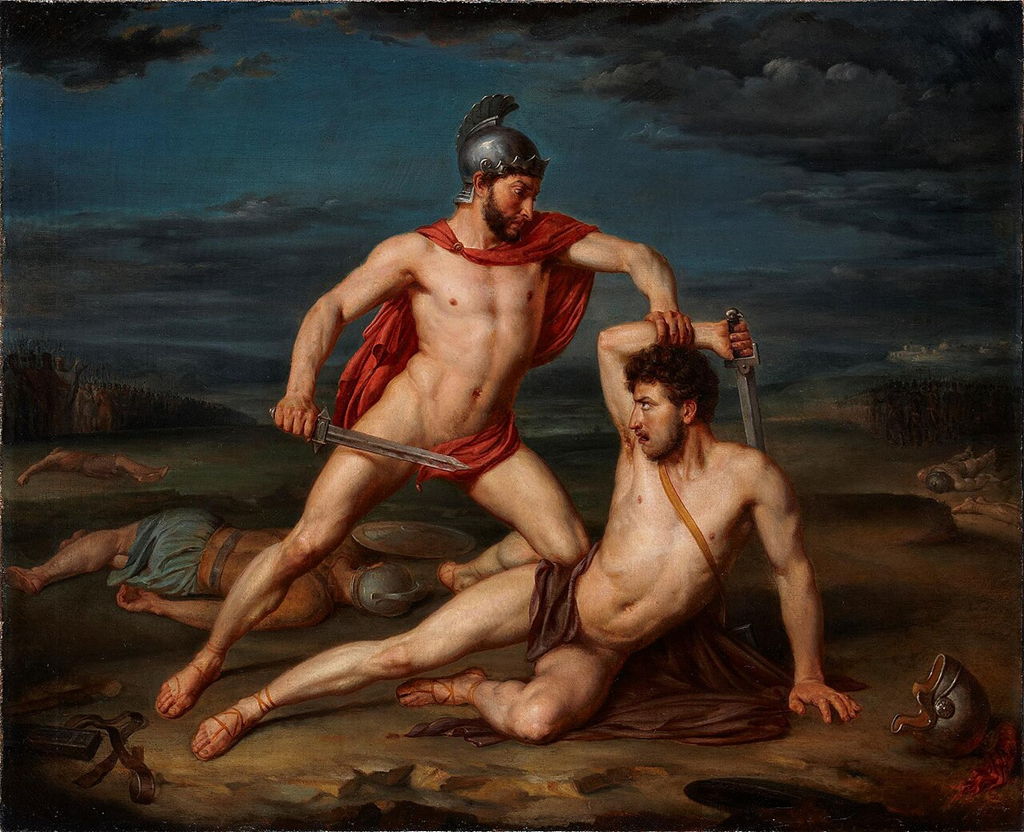
In honour of Jonathan Shay, the Shay Moral Injury Centre of Volunteers of America was established several years ago. His concept of ‘moral injury’ goes beyond the experience of PTSD. It refers to a change in a patient’s personality resulting from betraying their moral principles in a high-risk situation, as on the battlefield, especially by an individual in a command position. Both Achilles and Odysseus are perfect role models for veterans who have suffered such injuries. The former, in a frenzy of revenge, mutilates the body of a slain enemy for days, having earlier abandoned his comrades-in-arms on the battlefield in anger. The latter, through pride or recklessness, loses all his subordinates after winning the war, on his way home from Troy.
It must be admitted that such a reading of Homer often leads Shay to make overtly instrumental use of the poems. In the eyes of a Classicist, Ancient Greeks/Modern Lives, an important social project inspired by Shay’s work, fares much better. New York’s Aquila Theatre, with the support of the National Endowment for the Humanities, decided to bring war veterans together with the broader American public. At a hundred sites across the United States, moderated by scholars, staged readings were given of selected Greek tragedies and passages from the Iliad all in the presence of veterans, their families, and other members of their local communities. Beyond the dimension of collective therapy, some of these performances proved to be artistic successes.
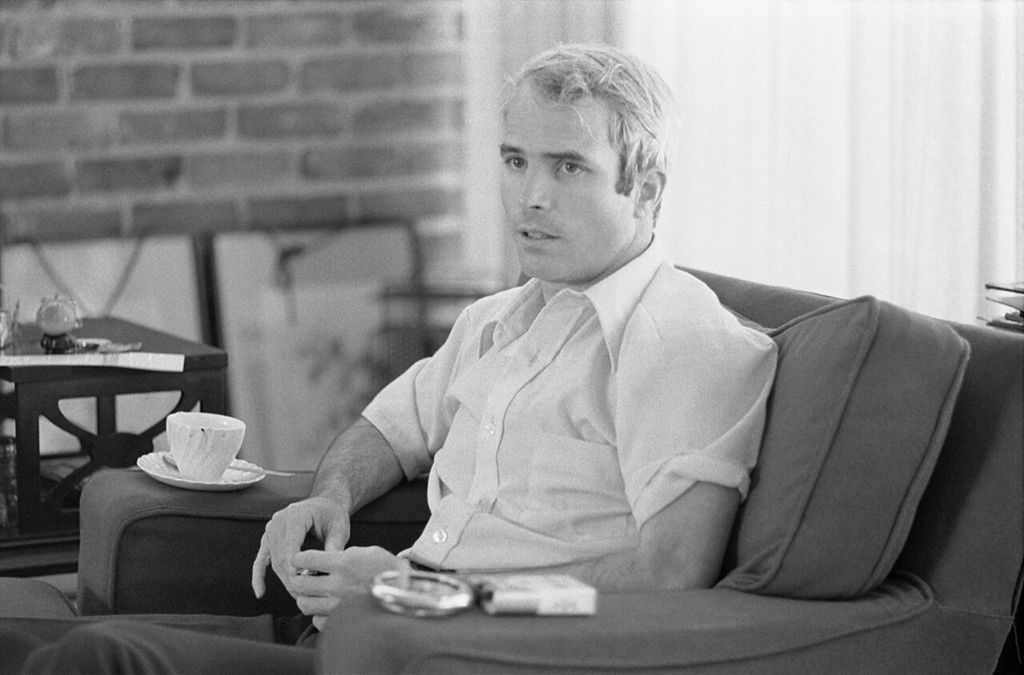
Shay’s second book, which draws on The Odyssey, goes a step further than the first. The publication of the book coincided with one of the most difficult moments in recent US history – the attacks of 11 September 2001. It is no coincidence that the foreword to Odysseus in America was written jointly by two of the most famous American veterans of that time, Democratic senator Max Cleland (1942–2021) and Republican senator John McCain (1936–2018). Both they and the author himself intended this book as a kind of manifesto, or expert recommendation for the necessary reform or renewal of the American armed forces. Shay opposed the idea of the army as a “war machine” in the literal sense. His own experience compelled him constantly to ask himself, “What next?” for the sometimes worn-out gears of this machine.
Cleland, who was severely wounded in Vietnam, and McCain, a long-time prisoner of war who was tortured in captivity, fully shared the views and recommendations of Odyssey in America. Not in the name of moral ideals, but for the more effective functioning of both the American military and American society, given the permanent presence of both a state of war and the people affected by it in American life. Today, we see that this is not exclusively an American experience.
Snake Island
Let us return one last time to the Gallipoli Peninsula. One of its southern capes, which the Allied forces of the First World War, who were massacred by the Turkish defences, never reached, was referred to by the Ancient Greeks as the ‘Tomb of the Bitch’ (Kynossēma) . The mound, which was visible in ancient times, could be called the place where the Trojan story symbolically came to an end. According to legend, it was there that Hecuba, Queen of Troy and mother of the heroic Hector, was buried.
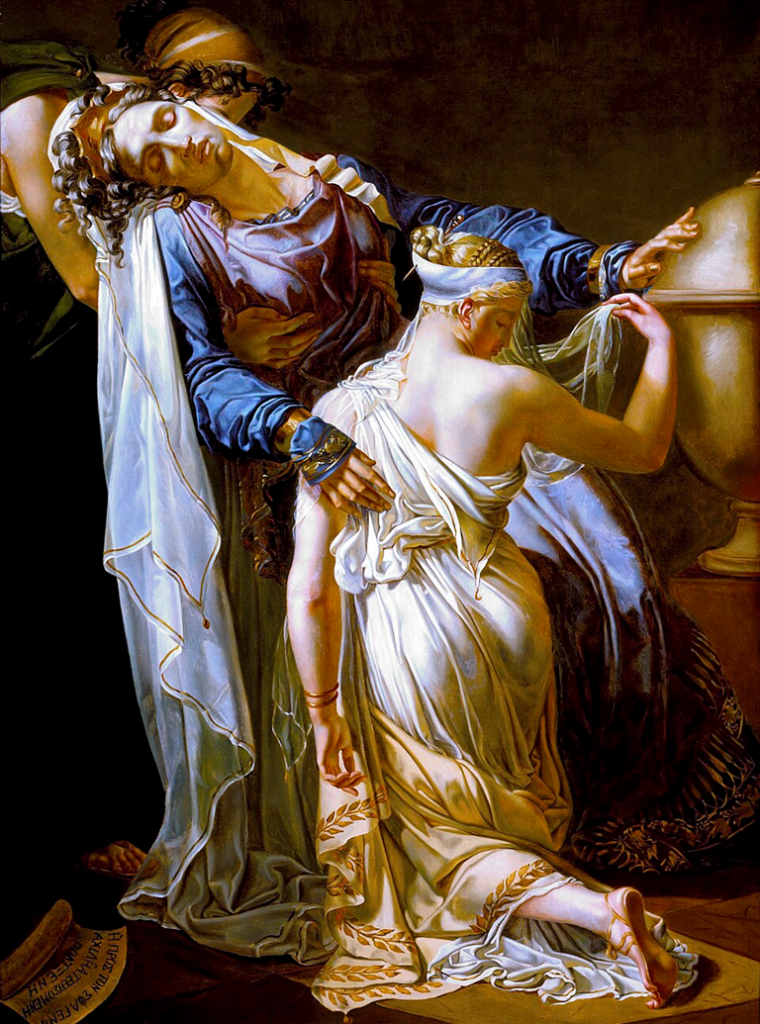
Many of Hecuba’s sons and daughters died in the war. The youngest daughter, Polyxena, was killed by the Acheans on an altar like a sacrificial animal after the sacking of Troy. But the youngest son was supposed to be safe – before the invasion, he was sent to a family friend, Polymnestor, king of nearby Chersonesus Thracica (i.e. the Gallipoli Peninsula). However, Polymnestor coveted the Trojan riches entrusted to him along with the child, and killed the boy. When the sea washed the corpse ashore in Troas, Hecuba went mad. She managed to take revenge on the murderer before the gods, out of pity, transformed her into a bitch. From then on, she wandered among people begging for scraps of food and howling desperately. In European tradition, Hecuba embodies boundless mourning for the victims of war.
And what about Achilles? After his death at Troy, he was to be laid to rest alongside his friend Patroclus in a magnificent burial mound on the coast of Troy, on the other side of the Dardanelles. Some Greeks added to this the final act of cruelty by the hero, who, even from beyond the grave, demanded the death of the beautiful Polyxena so that he could enjoy her in the afterlife. Meanwhile, in some versions of the myth, the goddess Thetis, Achilles’ mother, carried her son’s body to distant northern lands so that he could enjoy the life he had not had time to fully experience. Achilles was to be entertained there by the most beautiful woman of all time, Helen herself (Pausanias, 3.19.13). It would be a fitting, albeit highly ironic, conclusion to the tragedy of the Trojan War.
A little over 200 years ago, Lieutenant Commander N.D. Krickij of the Russian Imperial Black Sea Fleet discovered and documented the remains of a Greek temple on a small island in the north-western corner of the Black Sea (1823). In ancient times, this uninhabited island was called Leuke, meaning “white”; it was also sometimes known as the “Island of Achilles”. This isolated piece of land was perfect for worshipping the hero, who was revered in various Greek cities along the Black Sea coast, especially in Olbia, “The Happy City”, on the Boh estuary, slightly south of today’s Mykolaiv. In this region, Achilles was called the Lord of the White Island, or even the Lord of Scythia, i.e. of the entire land north of the Sea. Merchants sailing with their goods came to the island to make sacrifices and votive offerings to the hero, and thus ensure his protection on the stormy waters and in the even more dangerous interior of the land ruled by the warlike nomadic Scythians.
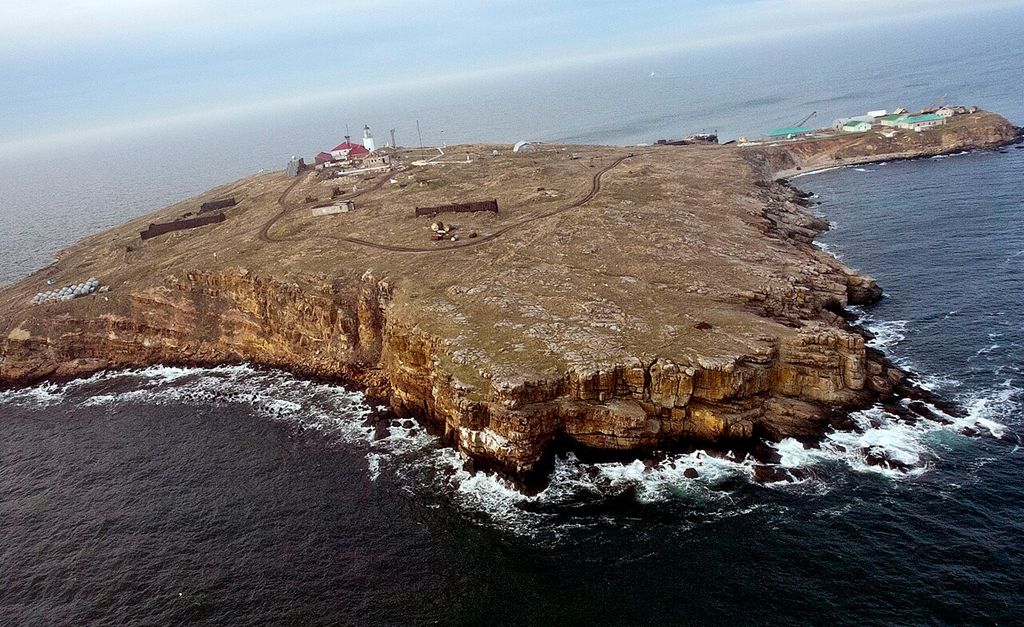
Achilles’ island was probably under Olbian control for a long time. On the first day of the invasion of Ukraine, 24 February 2022, the Russian Black Sea fleet attacked the spot, which is now known as Snake Island. The ultimatum issued by the crew of the missile cruiser Moskva was met with the well-known response from a handful of defenders – and was discussed in an Antigone article shortly afterwards. After more than a hundred days of occupation, during which the ship was sunk by a Ukrainian Neptune missile, the Ukrainians regained the island.
However, Achilles will not find peace for the time being. The island is reportedly still being bombed, and the ruins of Olbia, once a magnificent archaeological park, are the target of regular attacks. In the still-occupied areas southeast of the Dnieper, far into the Black Sea, there is a long, flat peninsula called Tendrivska Kosa, which has become an area of heavy fighting by Ukrainian special forces. In ancient times, this was the legendary ‘Achilles’ Track’. It was the site of the hero’s regular training – he is often referred to in the Iliad as “swift-footed Achilles”. Today, the southern front line of a terrible war runs right next to it. We are all counting on the help of the mighty Achilles, Lord of Scythia, to see it liberated.
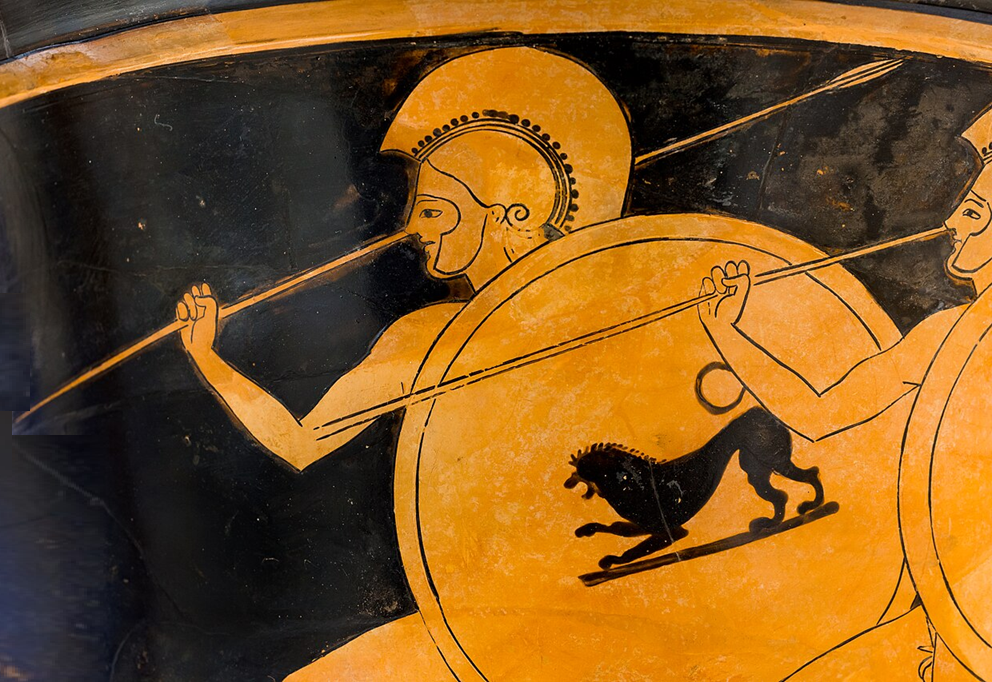
In the war novel Null (a code-name for the no-man’s-land between the front-lines) by the Polish writer Szczepan Twardoch (Wydawnictwo Marginesy, Warsaw, 2025), the powerless, half-naked Polyxena from the relief on the sarcophagus in the museum in Çanakkale, or Greek Abydos on the Dardanelles, embodies all women brutally harmed by the Russian invasion. However, the book’s motto is a passage from the Iliad (9.410–16). This is the only time in the poem when Achilles seriously considers a choice: to live a long life after returning home, or to die young fighting at Troy. But does Homer have any relevance at all for the real (as opposed to the literary) horrors of war? Ukrainian prose writer and soldier Oleksandr Myched, whose family lives in Bucha near Kyiv, writes in his 2023 book Code Name for Job: Chronicles of the Invasion:
Literature cannot save. After the full-scale invasion, I find it difficult to concentrate on reading and listening to the moralising tones of great literature […] Literature and culture did not defend me or my homeland […] My faith in literature is restored by the fear that our books and, by extension, our culture inspire in the Russian occupiers. In the occupied territories, they immediately change place names to Russian ones, restore Soviet symbols, and organise ‘filtration’. Especially of libraries. They search for ‘harmful’ books, as if they posed the same danger as ‘subversive elements’ of flesh and blood.

Homer could, and indeed should, also fall victim to such ‘filtration’ today. Meanwhile, in a deeply symbolic photo taken by Reuters in Mariupol at the beginning of the war, we see the ruins of the Drama Theatre, where hundreds of civilians, men, women, and children, were bombed on 16 March, 2022. Before the building was demolished, the last traces of this crime were covered up with scaffolding, from which the great Russian writers Pushkin, Tolstoy, Gogol, and Dostoevsky looked down on us. In December 2025, the Russian occupation authorities organised a disco in the rebuilt building to celebrate the theatre’s reopening.

Marek Węcowski works at the Department of History at the University of Warsaw. He has published The Rise of the Greek Aristocratic Banquet (Oxford UP, 2014),Athenian Ostracism and its Original Purpose: A Prisoner’s Dilemma (Oxford UP, 2022), and Tu jest Grecja! Antyk na nasze czasy (This is Hellas! Antiquity now) (ISKRY, Warsaw, 2023). He has previously written for Antigone about Athenian democracy, Thucydides and the Ukrainian War, and Ancient Greek revolutions.
A longer version of this piece appeared in Polish in the journal Przegląd Polityczny, vol. 190 (2025). It will also become a chapter in a book, provisionally entitled Homer, or There and Back Again, which will be published this summer.
Notes
| ⇧1 | Robert Harris’ newest bestselling novel (Precipice, 2024) brings to life the social and political background of the cabinet backstory immediately preceding these events. |
|---|---|
| ⇧2 | The Allies called it the ‘Hindenburg Line’. The ‘Siegfried Line’ from the Second World War was the Allied name for the German Westwall (lit. ‘Western Wall’). |
| ⇧3 | See further Martin Francis, The Flyer: British Culture and the Royal Air Force 1939–1945 (Oxford UP, 2008) 153–80, who provides an interesting account of the image of RAF pilots in British culture during the Second World War. |
| ⇧4 | Jonathan Shay, Achilles in Vietnam: Combat Trauma and the Undoing of Character (Atheneum, New York, 1994. |
| ⇧5 | Jonathan Shay, Odysseus in America: Combat Trauma and the Trials of Homecoming (Scribner, New York, 2002). |