David Butterfield
This week the Antigone project turned five. To celebrate our first half decade, the team gathered in Jesus College, Oxford, and welcomed writers, readers, and general friends from all manner of places. Over two days, 25 speakers explored the Classical world in the Antigone way. As we had hoped, it was an optimistic and exciting gathering, sharing stories of how interest in the ancient world still continues strongly, and of where things are really building momentum.
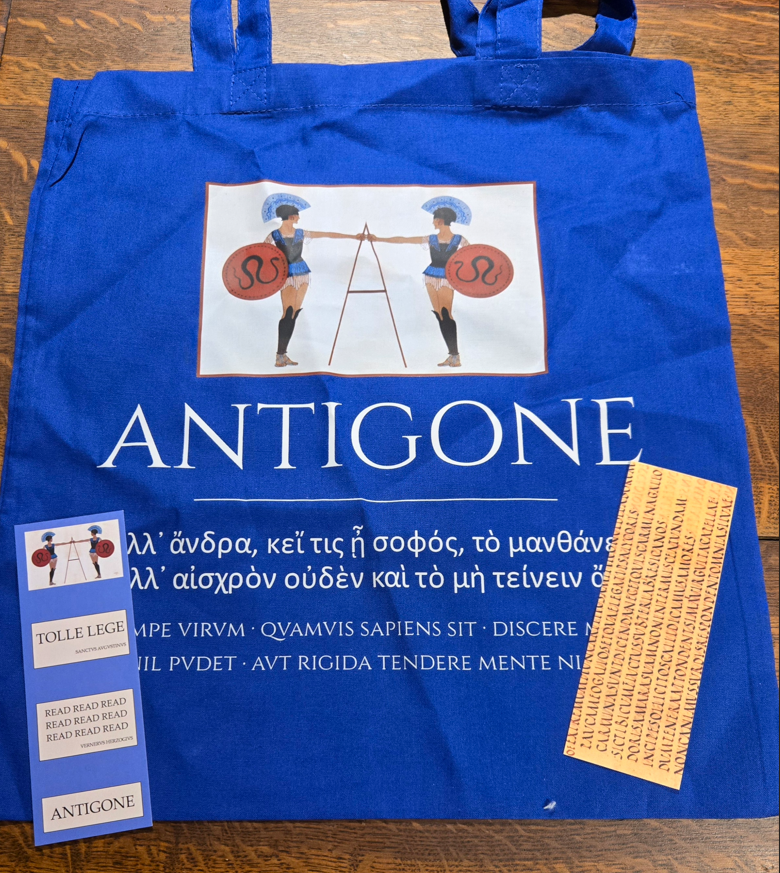
In that context, I offer here a short account of how the Antigone project began. To start the tale, we must cast our minds back not five years ago, but six, to that period of pandemical panic and mandated madness: 2020. Madness is, in fact, an apt word, for one manifestation of this, from deep within Covid lockdowns, was the strange decision of a small group of people spread across the world – each busied by their own professional and domestic lives – to create a new website about the Ancient Greeks and Romans (of all things).
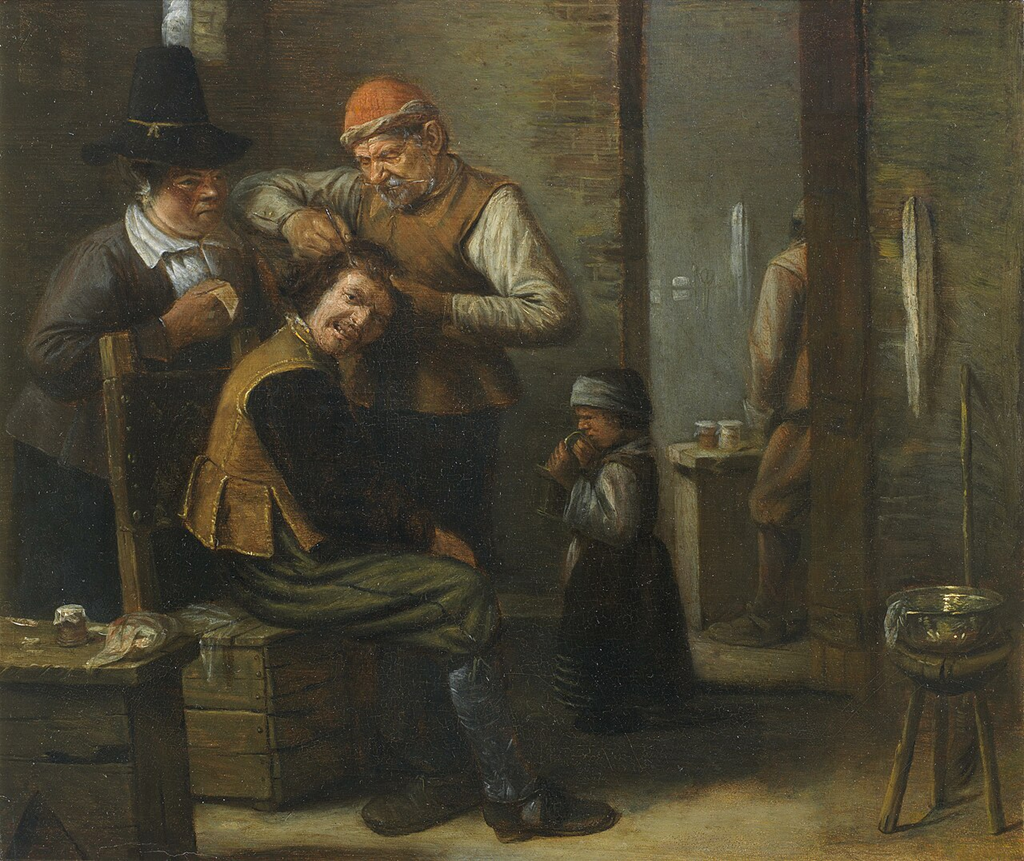
What god, what demon, what daimonion, possessed us? Certainly not the Greek Nemesis, or Eris, nor the Roman Ira or Invidia. Instead we were inspired by a twin pair of forces – one was the very opposite of Eris: Philiā, the love of bringing things together – people, ideas, pictures, papers – all inspired by the subject that deeply fascinated us, and was for many us our life’s vocation. But the other deity is less well known – and in fact no statue was ever erected in its name. I speak of the Roman Taedium. Yes, that is the word that gives us English “tedium”, but it doesn’t in fact mean boredom. We were anything but bored. Instead, we deeply felt the real force of the word – of frustration, weariness, annoyance.
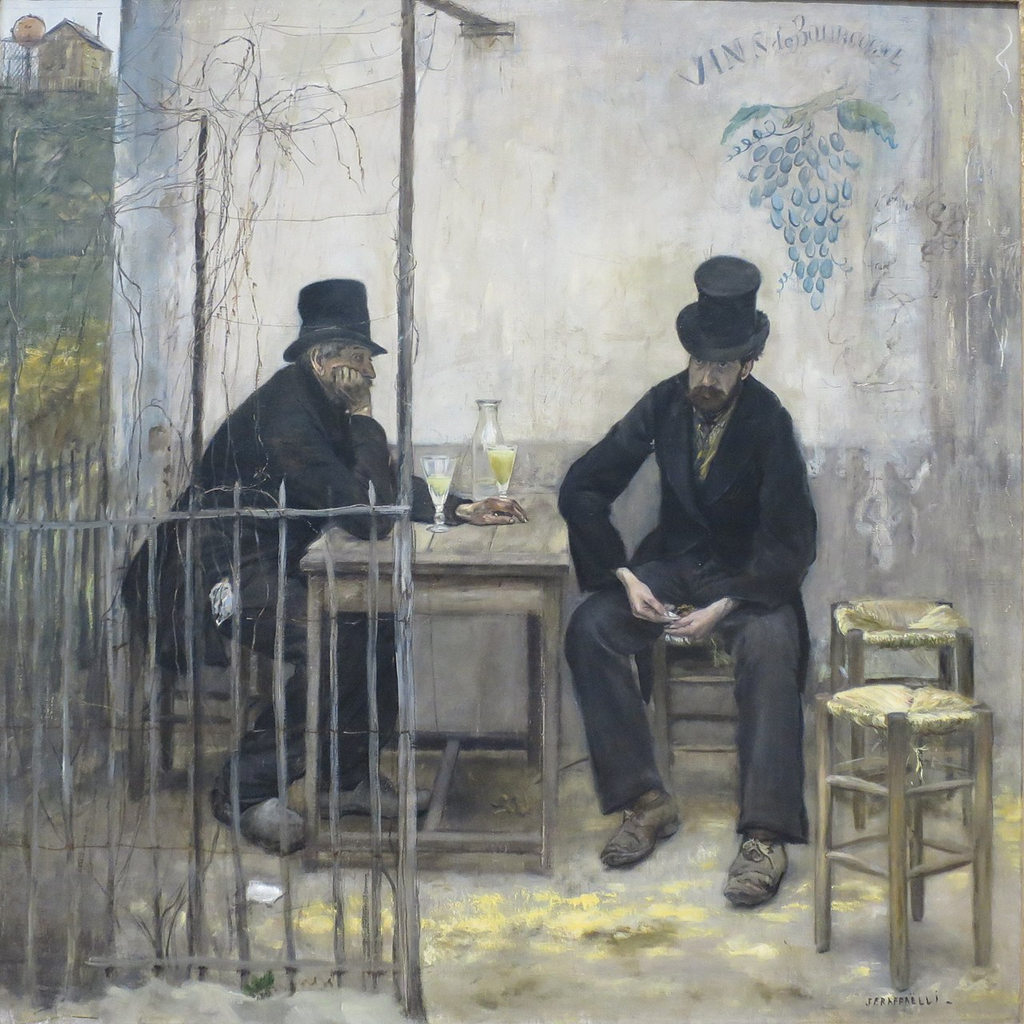
What, then, was frustrating us? Simply put, the widespread failure of academics, of professional Classicists, to engage the public. Long past were the glory days of the well-informed and well-adjusted public intellectual who could lead an audience through the Classical world with consummate authority and an ease of manner. We agreed that there was a dearth of scholars putting their energies into this task, inspiring and educating the public without patronising them, or pandering to transient fads of the day, or needlessly politicising the subject.
Our team knew what motivated the public at large: people are instinctively hungry to learn about such a remarkable and influential period of history as Classical antiquity. They are hungry for information, for ideas, and for debate; they are willing and able to handle difficult, disruptive or distasteful truths while letting their own intellectual curiosity roam free. It was clear that, if we could provide articles of that kind, people would come and read us.
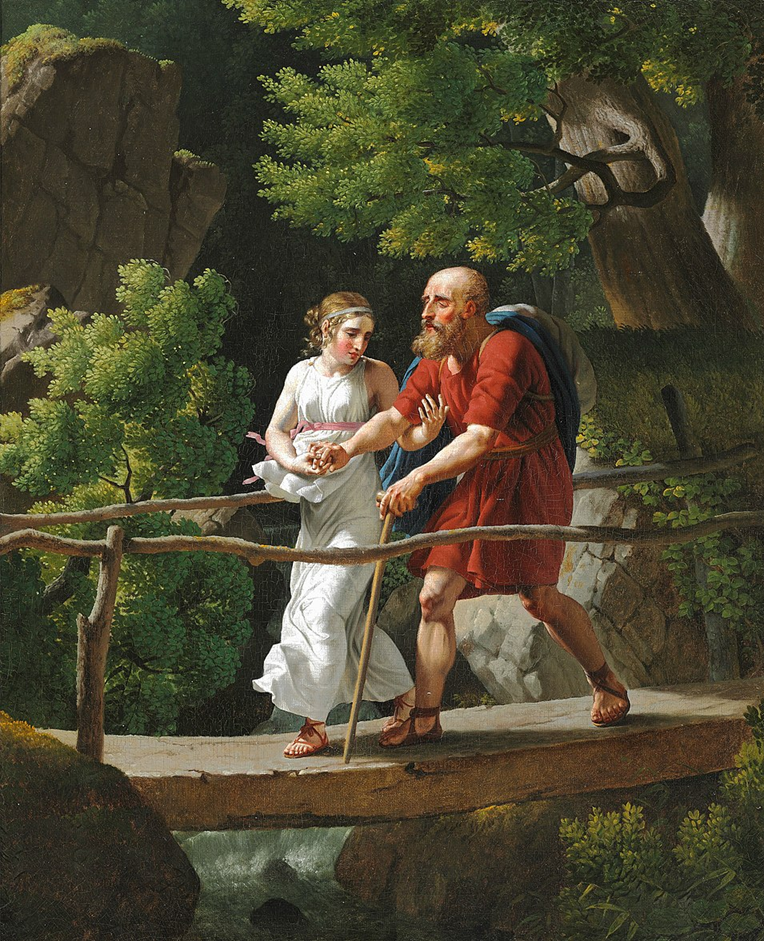
It so happened that when we were discussing the plan for a new website in 2020, two instructive things occurred. The first was on the internet, and the second was in the university. There once was a website called Eidolon, which was created by the excellent Paideia Institute, whose talented and energetic teachers of Latin and Greek have done much to keep the Classical torch burning bright. In that decade of general societal experimentation, the 2010s, however, Eidolon had decided to go its own way. Once separate from Paideia its energies were focused on framing Classical antiquity in its most contemporary and politically edged format. To make a long story short, despite considerable support, institutional and financial, it did not work and decided to self-terminate. The diminishing returns of such a partisan endeavour were an instructive lesson.
The second, much more important, contextual factor was the increasingly hostile and confused atmosphere inside the university towards the subject of Classics. While all of us have grown up with the misguided claim that Classics is an elitist subject, the new charges were more fundamental: the discipline, we were told at no uncertain volume, needed dismantling because of its intrinsic character – it was Eurocentric, somewhat inevitably, but it was also “white supremacist”, politically suspect, morally backwards – and, you remember that insidious word – problematic. While only a few genuine academics were taking these ideas seriously, there was still sufficient noise across campuses in 2020 that it was doing real damage to the subject’s prospects. Oxford, in fact, was facing active attempts to “decolonise” its department, although – as I wrote at the time – no-one could agree what that meant or what it should mean for the discipline. Still, although they were much too angry to realise, several academics – and on occasion whole departments – were actively shouting themselves (and in turn any future students) out of their jobs.
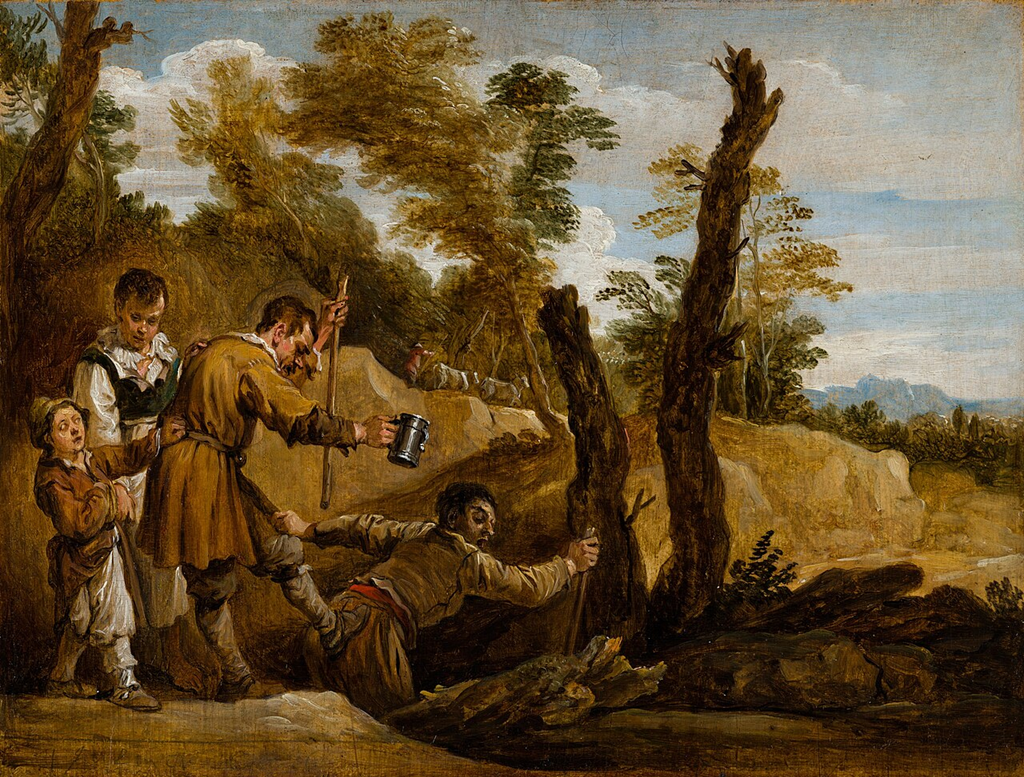
All the while the public were bewildered and bemused by what they heard from those who were literally paid to teach and preserve the subject. So we took the leap to start gathering articles that would appeal to the public on terms that were worthy of them. As we said then and repeat now, Antigone was not a political project – not in any meaningful sense of that word. Our aim was to do what seemed to us obvious, and what was not happening elsewhere. And off we set, launching out of harbour in March 2021.
Although HMS Antigone was but a little skiff, with a crew that had not spent much time on the high sea, most people instantly understood what we were doing: they could recognise the flag under which she sailed and could appreciate the importance of our voyage. It didn’t take much encouragement to find figures in the public domain who would write for us – and we were very fortunate to have Stephen Fry and Tom Holland were among our first half-dozen writers. Our reception by the public was rapid and our readership grew swiftly.
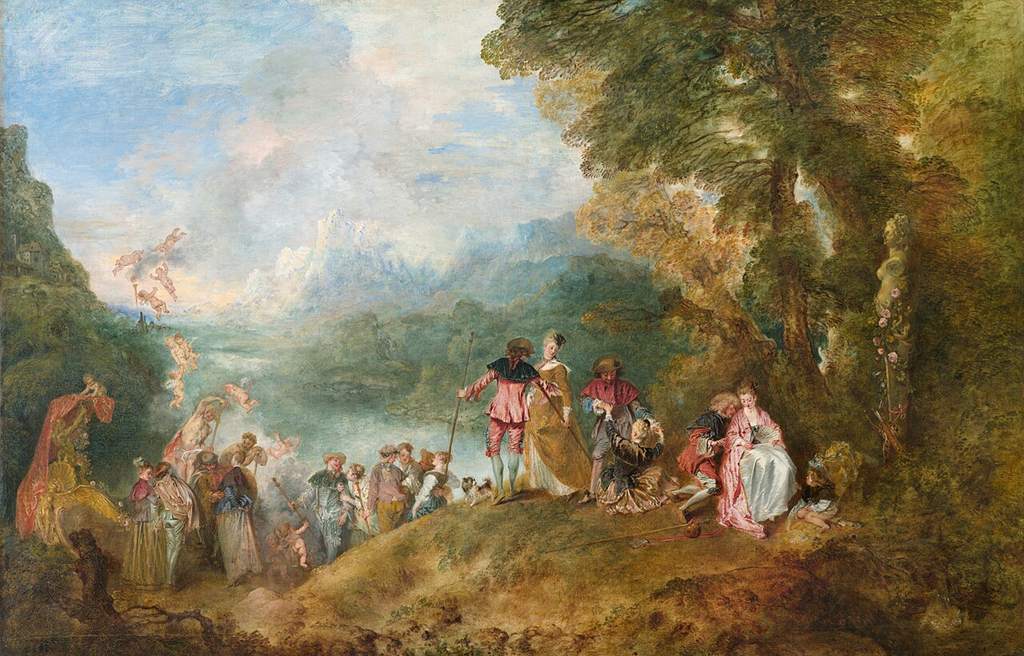
Social media, however, is a law unto itself. And those with memories long enough to recall the Twittersphere of 2021 will know that it was a strange and confused landscape indeed. To the self-appointed spokespersons of Classics Twitter our appearance was mystifying and unsettling. Literally on the very morning we launched, the questions were flying: who were we, what did we want, and most importantly – and this has always made us laugh – who was funding us? An obsession with money animates many of these people, so the search began to work out who was bankrolling – of all things on earth – a new Classics website. Look, they said, we had to have secret money: our website looks nice, famous people are writing for it, and lots of people are working behind the scenes.
What simply could not be computed by these people was that people can love a subject so wholeheartedly that they would do everything entirely for free. That our team would consist entirely of volunteers, who would spend our time and our money on the necessary things to get a website going. Or that one of us would learn the basics of web design so as to make our website work. It really was another one of those instructive moments to note who was enraged most by our appearance and success, whether through vanity, envy or genuine delusion. But since that first day we have never looked back and here nothing more need be said about social media.
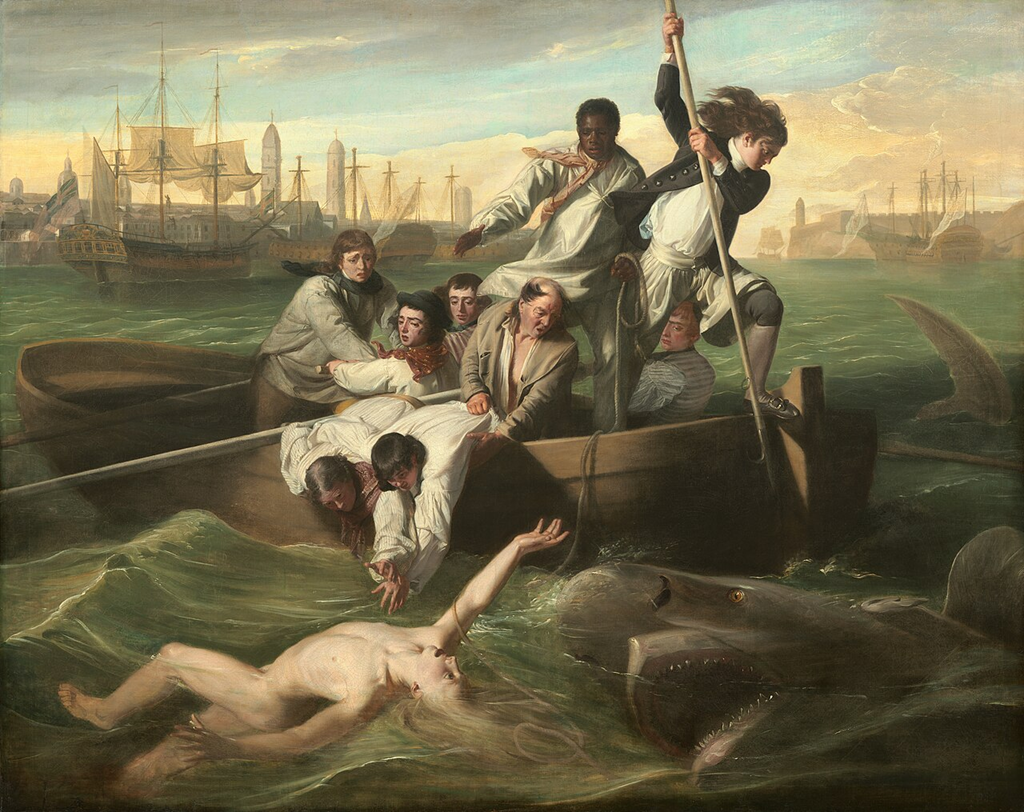
Much more valuable for us was to learn at the same time those who cared about the subject – who cared about its future more than their own immediate circumstances. We learned who was prepared to invest time and love in supporting the future of Classics, who could do things beyond mere talk.
We initially published two pieces a week, and built up a weekly email list, which passed 10,000 subscribers after a few months. Once we had a good bank of content, and a broad stable of writers, we settled into the pace that we have kept up since, of three pieces and an email per fortnight. Over the five years that we’ve been going, we’ve published some 260 different writers, who have written between them over 500 articles, approaching two million words and 5,000 pictures. We’re exceptionally fortunate to have a pictures editor, in Jaspreet Singh Boparai, who is literally second to none. That our articles are so well illustrated is one of several factors that explains how we grew to become the most popular Classics website.
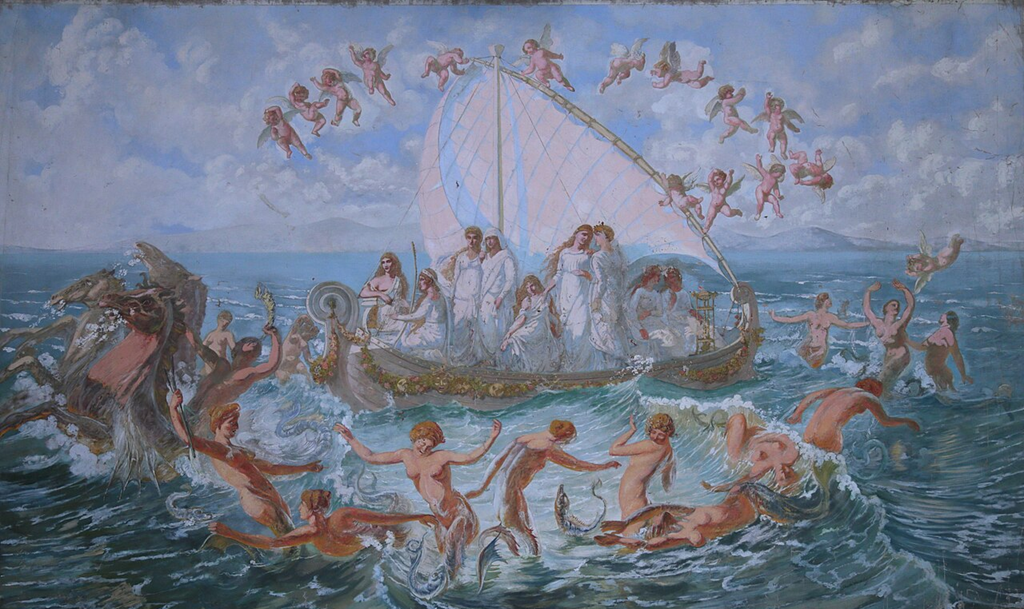
Many of our writers are academics – to date, 65 universities and colleges have been represented. Many are people who were trained in Classics but have gone on to pursue other things in the world. And many are current students: alongside a good crop from within the university, we have been thrilled by the number and quality of pieces we have received from those who are still at secondary schools or high schools. Every one of these young talents has a bright future ahead of them.
All the while we have continued to operate as an open forum. We will publish anything by anyone in the world that is interesting and plausible. We have never turned down a piece on the ground that it says something we don’t like. In fact, it wouldn’t even be possible to say what “we like” because everyone involved with Antigone is independently minded and more than prepared to think for themselves.
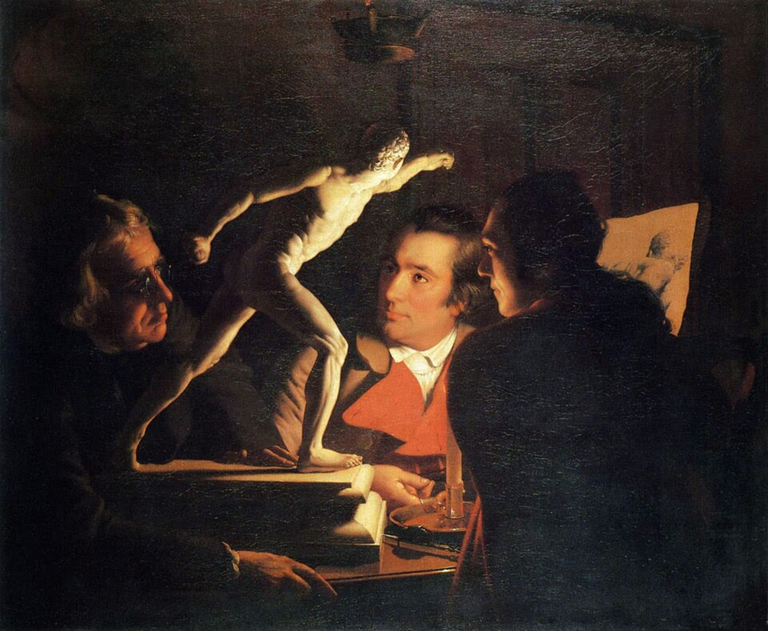
It was a great thrill and honour, in late 2024, to attract the support of the Pharos Foundation, based in Oxford. Their generous funding has finally allowed us to pay people for writing and editorial work, and to stop covering logistical costs from our own pocket. It has also given us the ability and impetus to do new things – including to host our five-year conference this weekend. We’re keenly discussing at the moment the various things we should best do next to help the subject grow, inside and outside academic walls.
Alongside our articles we have done several other things over the years. We are currently running the largest and greatest competition in Classical philology, and have the funding to do that for five years in the first instance. We’ve hosted lots of competitions and distributed thousands of pounds in prizes. We’ve also given away, for free, nearly a thousand books. All of this is part of the same spirit of sharing things that we love.
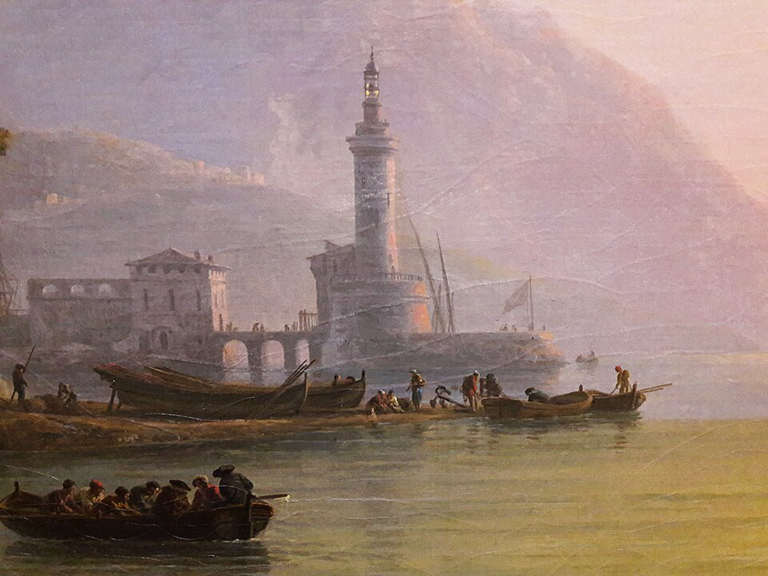
But we also haven’t done several things. We haven’t told you what to think. We haven’t treated you like children. We haven’t tried to make any money from the project, whether by paid subscriptions, advertising or those wretched cookies. We haven’t sought for Classics as a discipline to change its fundamental character or to cease its work entirely. We haven’t written any piece targeted against anyone. We haven’t been motivated by resentment, cynicism or self-loathing: life is much too short and far too many things are interesting.
In such a time of celebration I would just like to close with a few expressions of thanks. I’m extremely grateful to my fellow editors for all they have done over these busy years to make the project the success it is. It’s such a source of happiness and pride for me to count them not just as co-volunteers but as dear friends. We have been through a lot together. We are also grateful to the millions around the world who have read our site, especially those who have shared it with others. We don’t take anyone’s spending time with our articles for granted. Thank you, sincerely.
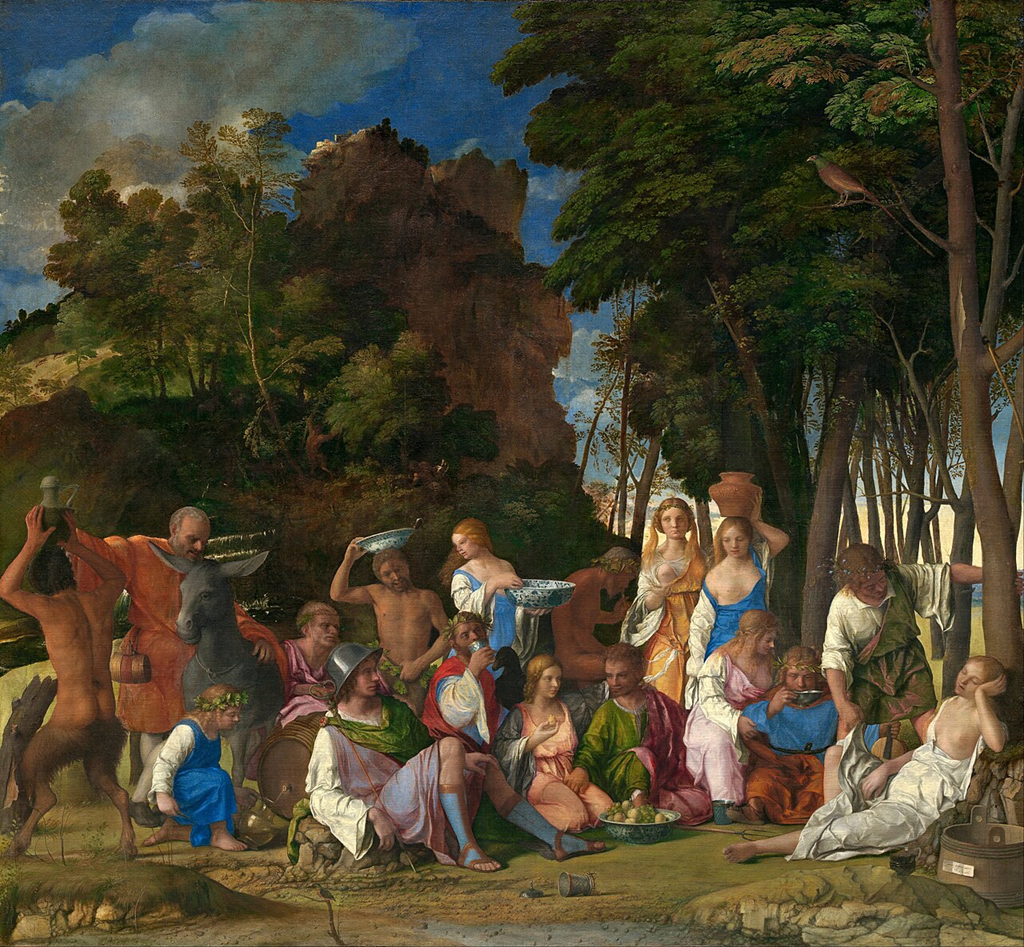
We are so grateful to those academics who have shown interest in and support for the project, whether by writing pieces, using them in their teaching and research, or directing young talent towards us. This is how a project thrives, and we deeply appreciate it. We are especially thankful to all those who joined us in Oxford to speak and strategise: it was an admirably wide-ranging and very enjoyable occasion.
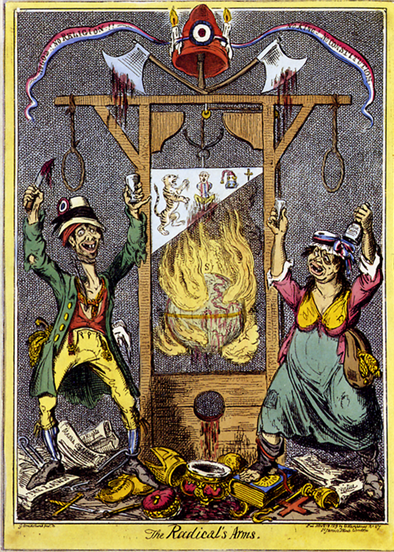
As was rightly observed this weekend, our debt to one Classics department is incalculable. For the sake of their modesty, we won’t name names, but Antigone certainly would not exist without the very particular contributions that Princeton Classics was making to the discipline in 2020. Our hearty thanks to all the torchbearers. And to the Pharos Foundation we renew our sincere thanks for the confidence that they show in what we do, and the support they provide to let us do it. There is a lot more to come.

David Butterfield is Provost and Professor of Latin at Ralston College, Savannah, Literary Editor of the The Critic, and Editor-in-Chief of Antigone. He is blessed to love the Classics.